The Holy Week ceremonies have been celebrated and as we progress through the Easter season with its wonderful readings from the Acts of the Apostles, we learn about the disciples of Jesus proclaiming the good news to the ends of the earth.
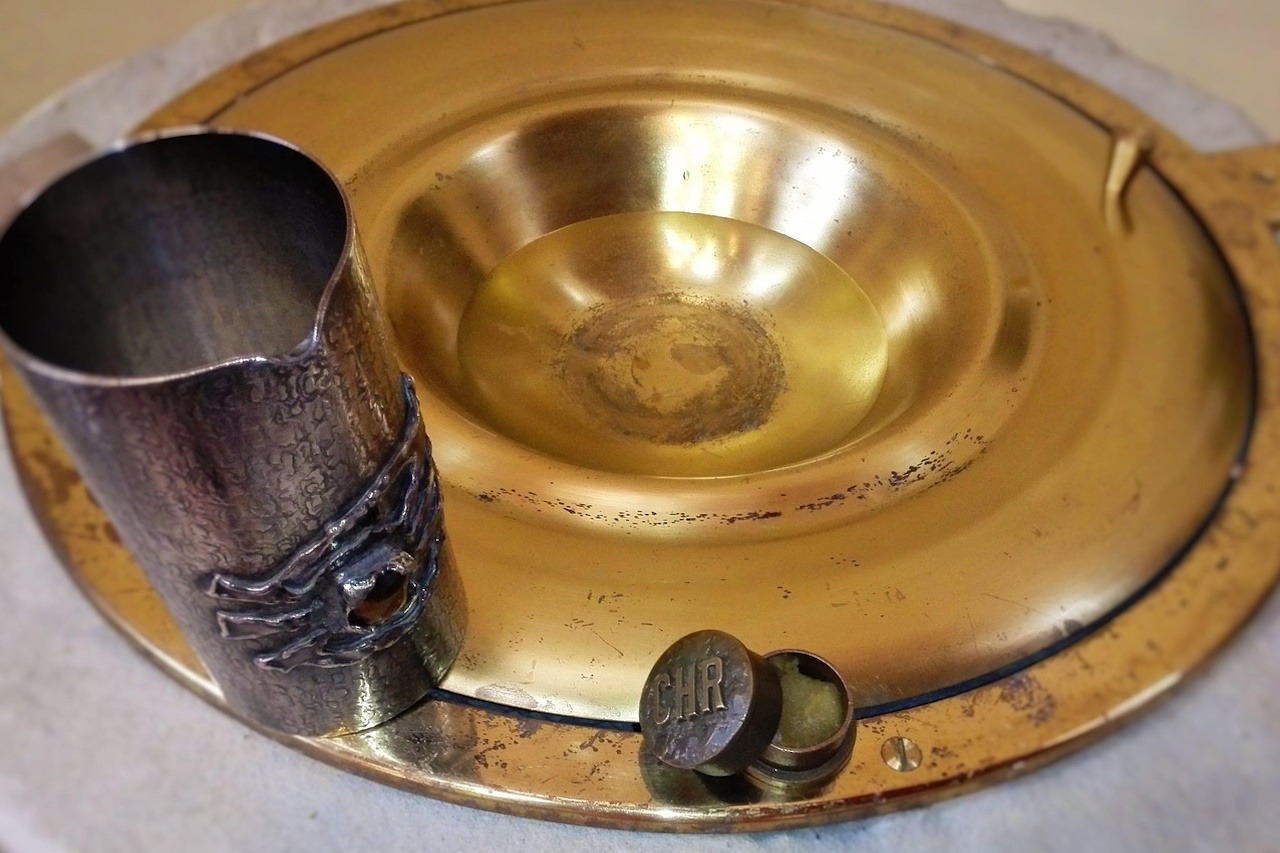
One of the important celebrations of Holy Week is the Chrism Mass when the bishop of a particular diocese, surrounded by priests and deacons, blesses the oils that will later be used in the anointings associated with baptism, confirmation, ordination, and healing of the sick.
If we carefully read the passion and resurrection narratives in the four gospels, we find several stories of Jesus being anointed with expensive oils. Let’s recall Mark 14:3-9 when the unnamed woman comes and anoints Jesus’ head with a costly ointment/oil, an action that reminds us of the actions of Israel’s prophets anointing their kings (see 1 Samuel 10 when Samuel anoints Israel’s first king, Saul);
- Matthew follows Mark very closely but adds: “Truly I tell you, wherever this good news is proclaimed in the whole world, what she has done will be told in remembrance of her” (Matt 26:13), words that resonate with the last supper texts in Luke 22:10 and 1 Cor 11:23-26. Sadly, the story about the prophetic woman has not been proclaimed in the whole world;
John’s account tells us about Mary of Bethany, whose brother Lazarus Jesus had raised from the dead in John 11. In John 12, Martha, Mary and Lazarus are having a celebratory meal with Jesus and his disciples at Bethany (see John 12:1-8). “Mary took a pound of costly perfume made of pure nard, anointed Jesus’ feet, and wiped them with her hair. The house was filled with the fragrance of the perfume” (John 12:3). The house being filled with fragrance is commonly understood to refer to the spreading of the good news to the Gentile peoples;
In Mark and Matthew, these stories of women anointing Jesus at a meal occur immediately before the Last Supper, and definite links between these meals and the Last Supper texts can be discerned – words and expressions such as “at table,” “breaking,” “pouring” – occurring in all narratives;
Mark begins his resurrection narrative by telling us that “Mary Magdalene, and Mary the mother of James, and Salome bought spices, so that they might go and anoint him” (Mark 16:1). Luke begins his resurrection narrative in a similar vein: “But on the first day of the week, at early dawn, they [the women] came to the tomb, taking the spices that they had prepared” (Luke 1:1).
- Matthew follows Mark very closely but adds: “Truly I tell you, wherever this good news is proclaimed in the whole world, what she has done will be told in remembrance of her” (Matt 26:13), words that resonate with the last supper texts in Luke 22:10 and 1 Cor 11:23-26. Sadly, the story about the prophetic woman has not been proclaimed in the whole world;
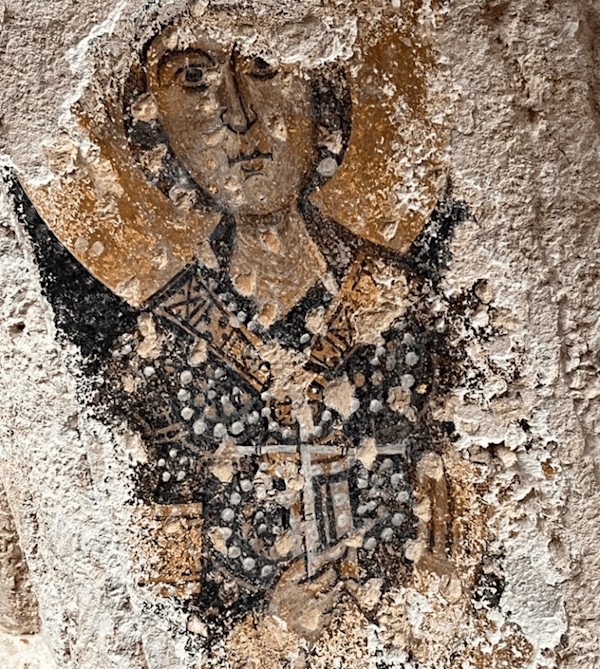
For centuries, a patriarchal church has tended to overlook these wonderful stories of women anointing Jesus with precious oils and spices in favour of homilies about the sinful woman in Luke who washes the feet of Jesus with her tears, before anointing them with ointment, and her sins are forgiven. In Luke’s narrative, Jesus is the prophet, the woman is the sinner, usually interpreted to mean she was a prostitute, although the gospel does not tell us this.
In the passion and resurrection narratives, the women are the prophets, who unlike the male disciples, recognise what is going on and want to prepare Jesus for his imminent death and resurrection. None of these women is described as a sinner and their actions reveal them as prophets whose stories should be told in remembrance of them. That has not happened and sadly chrism masses which were celebrated world-wide during Holy Week do not bring us any of these wonderful gospel readings about prophetic women and non-prophetic men in the passion and resurrection narratives.
As a church are we able to answer the question:
“What about the Chrism Mass and the place of women in a synodal church?”
Susan Smith RNDM is a lecturer emerita in The University of Auckland’s Department of Theology. Her PhD was on developments in Catholic missiology after Vatican II. After her retirement from The University of Auckland, Susan also provided NT modules for the University of Newcastle, Australia, and a Women in Leadership module for Duquesne University. Susan lives with another member of her congregation in Whangarei, New Zealand, where both are committed to exploring experientially what it means to live in an eco-community. Both are involved in neighborhood environment organizations. They are particularly interested in what might shape eco-spiritualities in New Zealand.


Thank you, Susan, for this reflection. I feel blessed to be a woman, and though it is challenging to be a woman of faith in a Church that does not make it easy, reflection reminds me I am not alone and am in good company!! Easter blessings on you!
Fantastic reflection, Susan! Indeed, what about the women?! I say, let’s keep anointing wherever and whenever possible! Let us repatriate the right to give blessing and anoint…the Spirit is much more wild than we imagine.
Susan, I very much appreciate the insights you have shared here. Thank you!