Reflection for the Third Sunday of Easter C
Readings: Acts 5: 27-32, 40b-41 (RM) or Acts 9: 1-6 (RCL); Psalm 30; Revelation 5: 11-14; John 21: 1-19.
It’s approaching that time of year again. It’s the time of graduations, class reunions, weddings, picnics, outdoor festivals, street events, and just plain family get-togethers. The time of meeting up again with old classmates, distant cousins, multi-generational family members, assorted in-laws, and neighbours, including individuals that you may or may not remember right offhand.
That embarrassing moment when someone comes up to you and introduces him- or herself, and of course you’re delighted to see them again after SO long … and then it dawns on you that they knew you, but you didn’t know them. Oh, how awkward.
Or… maybe it’s not the length of time that blocks recognition. Maybe it’s surprise, or even shock and trauma. Maybe you thought they were dead. You really did. Maybe you were there when they died.
Chapter 21 is an epilogue to the Gospel of John, glued on at the end and consisting of story elements, some of which contradict each other. It was composed at a later date when both the Beloved Disciple and Peter had passed away, although it is clearly slanted toward rehabilitating Peter. After Jesus’ arrest, Peter denied three times that he knew Jesus, while standing at a charcoal fire. Now Peter, Jesus and the others are gathered by a charcoal fire where Peter is called, three times, to affirm his love for Jesus.
But the first step is recognition, and this is the incessant undertone in the stories of Jesus’ post-resurrection appearances in the Gospels, especially in John. This is the fourth story in succession in which the risen Jesus appears and is not initially recognized. (Verse 14 reads “this was now the third appearance…”which suggests that the author was only counting the appearances to his group of male disciples, not his meeting with Mary Magdalene.)
Mary mistook him for the gardener. The disciples gathered in the upper room were simply gobsmacked, twice. Even in this story on the shore of the Sea of Galilee, they’re not really sure, even though they had seen him twice already. They’re afraid to ask him who he is, which indicates lingering disbelief. Meanwhile, over in the Gospel of Luke, Cleopas and another disciple literally walked with him for miles and heard him unfold the scriptures pointing to the Messiah. How often had they been with him and heard him teach, over the past three years? And when did they finally recognize him? At table, in the breaking of the bread.
The Johannine community who heard this account would have recognized two elements that we identify today as sacramental – the waters of the Sea of Galilee, and the act of feeding with bread. They might have understood the role played by the words of Jesus, not his appearance, in breaking through his old friends’ failure to see who he was.
Do you ever wonder how much you might be missing, just inadvertently, in a conversation or an exchange? Are you ever caught short by what you should have seen or heard in an encounter, but didn’t recognize until later? Do you ever slap your forehead, so to speak, and say,
“If I had only known at the time, I would have reacted differently!”
Maybe you would have perceived the other person’s hidden pain, or confusion, or fear masquerading as anger. And you might have treated the person, and the situation, with more compassion.
Christians use the conventional language of “call” to refer to an individual’s sense of calling from God to ministry in general, or to a call to serve a particular faith community. Sometimes we only recognize a call in hindsight. But I suspect that “call” is all around us.
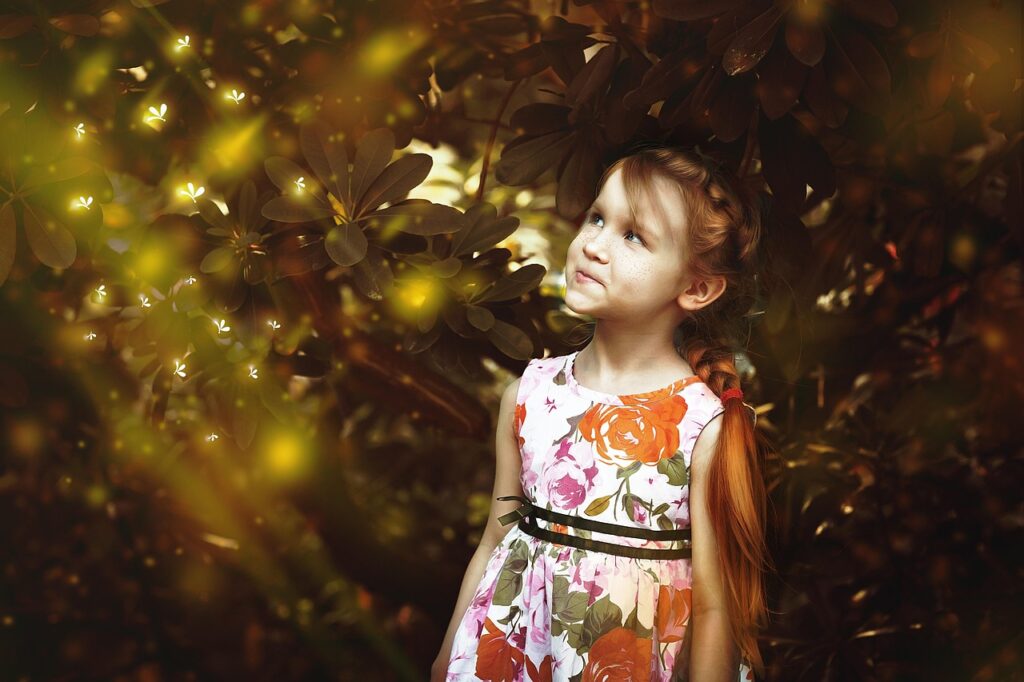
Perhaps a “call” from the Holy One is rather like fireflies darting in the darkness, a sharp spark of light one second and then nothing. If you don’t look quick, you miss it. If you don’t believe your eyes, you won’t recognize it.
Perhaps the risen Christ is all around us.
© Susan K. Roll
*Lightly edited from the Reflection of May 1, 2022.
Susan Roll retired from the Faculty of Theology at Saint Paul University, Ottawa, in 2018, where she served as Director of the Sophia Research Centre. Her research and publications are centred in the fields of liturgy, sacraments, and feminist theology. She holds a Ph.D. from the Catholic University of Leuven (Louvain), Belgium, and has been involved with international academic societies in liturgy and theology, as well as university chaplaincy, Indigenous ministry and church reform projects.