One of my favourite pastimes is reading the novels of Dickens, Jane Austen, and the Brontës, and watching the films that capture the imagination of these novelists. They provide an overview of earlier societies, revealing ingrained prejudices – the line between those ‘in the inner circle’ and those ‘on the outside’.
Today’s authors can provide us with a similar birds-eye view of the complexity of the world we live in. Recently I have read two novels which were winners of recent literary awards in Australia. They highlight the reality of our multi-cultural society shaped by the history of many countries.
These two books are ‘Anam’ by Andre Dao and ‘Chai Time in Cinnamon Gardens’ by Shankari Chandran. The authors are children of families escaping the reality of war in Vietnam and Sri Lanka and growing up in Australia.
Constant questions are:
- What does it mean to be an Australian?
- What does it mean to belong?
- In what ways do we carry the history of our ancestors?
Anam - Andre Dao
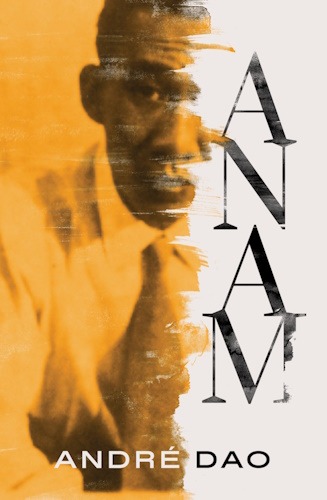
Anam is a semi-autobiographical work that follows the life of a student lawyer at Cambridge University and his ongoing research to understand the long-term imprisonment, subsequent release, and exile of his grandfather in Paris. Sifting through letters, photographs, and government documents, he highlights the reality realities of oppression in French colonial times as well as the struggle for independence, and the later war and reunification of Vietnam.
He speaks of his own growing up in Australia as an outsider and leaves us with the question as to how this history will impact the life of his child born to an Australian mother.
Chai Time at Cinnamon Gardens - Shankari Chandran
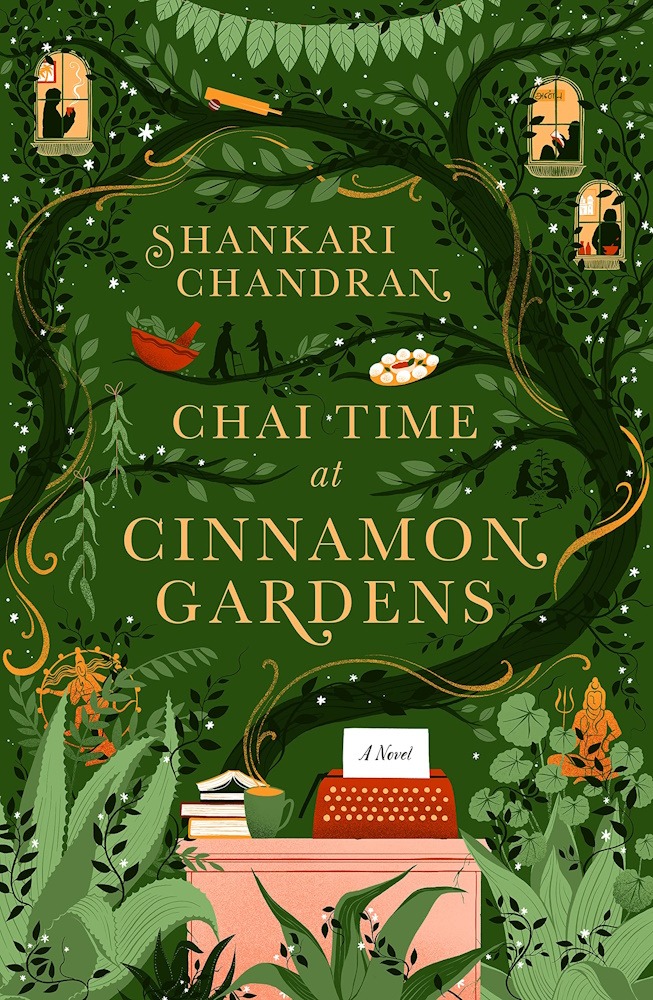
The Author herself writes:
“Chai Time at Cinnamon Gardens follows the lives of the residents and staff at a nursing home, in a fictional suburb in Western Sydney. It’s set against the rising racism of contemporary Australia but flashes back to the lives of the elderly residents, decades before in their ancestral homeland of Sri Lanka, during the country’s civil war.
The novel is about the stories the residents and staff tell themselves and each other, to keep their memories and culture alive. It celebrates the way we build communities in our new homelands and hold onto our old ones. It’s my love letter to story-telling. It explores the way we shape our new home and the challenges we face in asserting our right to be here.”
The questions raised in these two books are an invitation to reflect on the ways our individual stories are shaped by our ancestral stories and the story of the country we call home – whether that is the land of our birth or the place where we or our ancestors have sought a better life and the possibility of freedom.
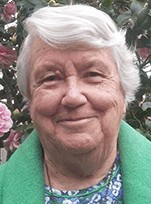
Mary McInerney has been an Australian RNDM for more than sixty years with experience of mission in education in Australia, member of General Council for twelve years and mission in Kenya. Now living in Melbourne, she is involved in archival work for the Province and has enjoyed opportunities to share her RNDM experience and knowledge of our Constitutions through various on-line programmes.