

For centuries people in geographically diverse parts of the world have been eating legumes. Combined with a grain such as corn, rice or wheat, legumes provide a complete protein that is less expensive, more earth-friendly and often healthier than protein from animal sources. Dishes like refried beans and corn tortillas, hummus and wheat pitas, lentils and rice, or baked beans and toast are good examples. North American Indigenous wisdom includes beans with corn and squash in the Three Sisters Garden because legumes can also “fix nitrogen” and help feed the other two sisters.
The common bean (Phaseolus vulgaris) is the easiest legume to grow in our home gardens and offers many cultivars suited to a variety of growing spaces and preferences. There are two main forms —bush and pole.
Bush beans: These grow about 12 inches (30 cm) tall. Most mature earlier and produce most of their beans within a 3 to 4-week window. For a larger quantity of fresh beans at one time, these beans are ideal. To extend the season for fresh eating, sow some seeds of shorter season bush varieties every 2 to 3 weeks until early July.
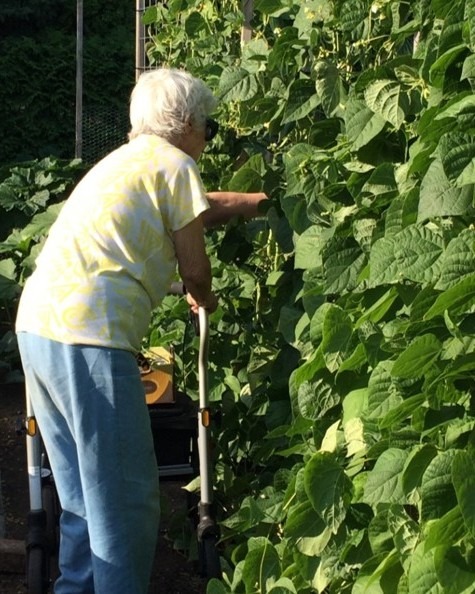
Pole beans: If there is a vegetable that reveals the enthusiasm of Divine Energy at work in the garden, I think it’s the pole bean! Once they start their growth spurt, these plants clamber up any support provided and can reach 6 to 8 feet high in a few weeks. I sow seeds on both sides of a trellis made of a metal hog panel zip-tied to narrow cedar posts. Just a couple of feet of “floor space” is all you need. Growing vertically also makes it easier to pick the beans, can provide a privacy screen for a sitting area and a “living wall” for vertical interest. Pole beans offer tender beans for an extended period until frost because of their “indeterminate” growth habit – just harvest them regularly as they reach the “snap” stage.
Growing conditions
Most varieties need warm soil (at least +60F/+15C) for germination, full sun (at least 8 hours per day) and consistent moisture for best yields. Water is especially important when flowering and forming pods. To reduce risk of fungal disease, water at ground level — not overhead — and avoid harvesting or weeding around plants when they are wet.
Harvesting
“Days to Maturity” on seed packages are an estimate of when that cultivar will start yielding. There are three stages when beans can be harvested: “snap” bean stage when you can feel seeds forming in the pods which snap when bent in the middle; “green shell” beans when they are past edible pod stage but not yet dry and can be shelled and cooked; and “dried” beans when pods are stiff and break under pressure.1 When thoroughly dry, beans can be stored in a dark, dry place for years without spoiling. This may be another reason why Carol Deppe includes beans as one of the “five crops you need to survive and thrive.”2
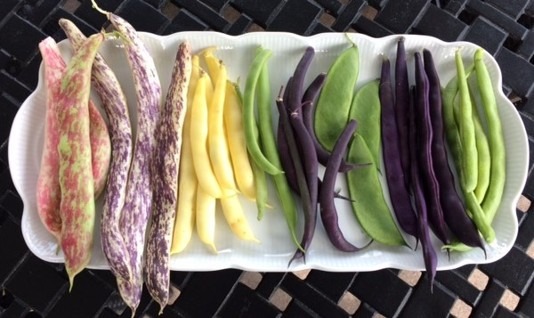
From Left to Right:
BUSH TYPE:
Borlotti; Dragon Tongue; Golden Wax; Provider Green; Purple Royalty; Early Thorogreen Lima
POLE TYPE:
Blue Coco Pole Bean; Kentucky Wonder Pole Bean
Resiliency in a challenging climate
Finding a diversity of beans which grow well in different conditions – hot and dry, or cool and wet – is easier in open-pollinated, heirloom collections. ‘Royalty Purple Pod’ bush, and ‘Blue Coco’ and ‘Kentucky Wonder’ pole beans grow well in dry, hot weather. One bush bean aptly named ‘Provider’ is adapted for all kinds of weather and needs a shorter period to reach maturity (50 days) – an advantage in areas with late spring/early fall frosts. Saving seeds from plants that have grown well in your own garden is also a good practice.
There are many more choices for both bush and pole beans. Some have interesting names like ‘Cherokee Trail of Tears’ and ‘Rattlesnake.’ Even more interesting than their names are the stories some of them carry, and the special gifts they offer. Legumes have come to us from around the world, providing delicious ways to lower our carbon footprint while improving our health. Let’s gratefully accept these gifts with open hands!
1 Varieties such as ‘Borlotti’ and ‘Jacob’s Cattle’ are recommended for dried beans because of higher levels of protein-building amino acids. I have dried all the varieties I’ve grown and have found them to be excellent in soups, chilies and curries. Their amino acid content may be lower, but they are still excellent sources of fibre and other nutrients.
2 The Resilient Gardener: Food Production and Self-Reliance in Uncertain Times, Carol Deppe, Chelsea Green Publishing, White River Junction, Vermont, 2010.

Wendy spent a good part of her adult life moving with her husband, never staying long enough to see an apple tree mature and bear fruit. When they retired, developing a food garden and planting hardy ornamentals became a passion. Weaving her previous studies in nutrition with her current interest in gardening has become a stimulating and life-giving activity.
Just a few days ago, I had an interesting dinner table discussion with our adult son who encouraged us to consider including more legumes in our diet, and be more adventurous with them because they are so good for us. So imagine my delight when your latest blog is posted! Thank you for such an informative and helpful summary of the benefits of growing and consuming beans, not just for ourselves but for our planet in terms of the carbon footprint! Between my son and you, I am now moved to explore this more seriously. I especially like your description of the pole bean “reveal(ing) the enthusiasm of Divine Energy at work in the garden”!