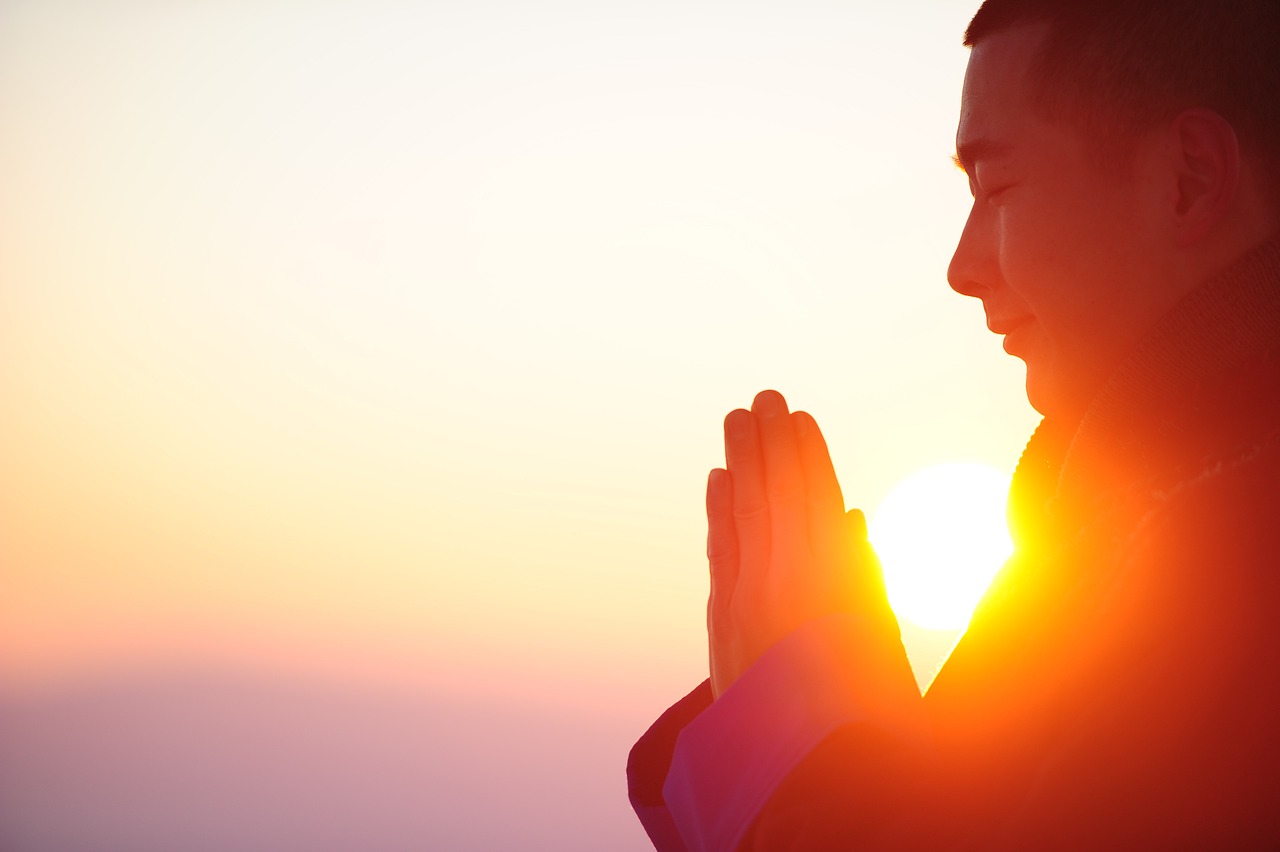
O LORD, you have searched me and you know me. You know when I sit and when I rise; you perceive my thoughts from afar. O LORD. (Ps. 139)
Contemplation for me now is to be seized by God – to be held in the communion of love which is “contemplative gazing, dialoging and listening to Trinity, the source of all life.”
In 1997, Monsignor Luigi Bresson, Apostolic Nuncio to Myanmar made a remark to the major superiors of Religious Congregations in Myanmar, Yangon. He said,
“I am surprised to see that Burma is a Buddhist country, the people endowed with such deep religious convictions, contemplative attitudes and respect for their culture but the Catholic Church is still not aware of it in encouraging the contemplative nature of religious life in Myanmar.”
His statement triggered in me a desire to explore further the teaching of the church and of the Congregation about how to be religious missionary women in this contemporary Myanmar.
After much prayer and reflection, I want to look more deeply at one aspect of our RNDM Charism – contemplation. As RNDMs, our charism commits us to contemplation, community, and mission. All are significant, but I would like to focus particularly on contemplation to demonstrate how older indigenous Burmese traditions, pre-dating Christianity, can help us so much in our prayer life today.
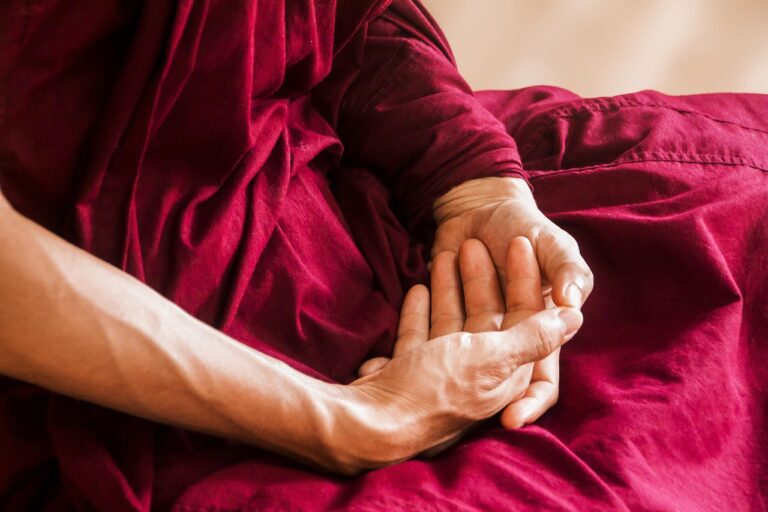
Though there are many types of meditation and prayer methods now open to us, I decided to learn a way of meditation which we call Vipassana, followed by Buddhists in our country. To understand this more, I spent ten days learning from Saya Narayan Goenka at the Vipassana Center, in Yangon. Goenka is one of the foremost lay teachers of Dharma, which is the law of nature or “the truth.” Dharma is deeply influenced by the Buddhist tradition, and is concerned above all with truth. It empowers us to strive to live a life of pure truth, a life full of peace, harmony, and goodwill for others. Though difficult at first, I felt happy and enjoyed this type of meditation/contemplation that dharma offered me.
My personal experience meant that I was able to let go of pains and hurts slowly and so be healed. I came to see and accept that everything is changing, nothing is permanent. I experienced the power of purifying myself, seeing and sensing people and things as they were, and so being at peace with myself and with others. It has strengthened my conviction of my need to deepen my knowledge and love of our RNDM Charism.
I am still trying to reflect the meaning of DHAMMA (Pali language) which means: The law of nature; the truth because Pure Dhamma teaches – a life full of peace, harmony and goodwill for others.
“Let us seek God always and in everything! Yes, All for God.” – (Euphrasie Barbier) 15 February. 1883 – Community in Lyon
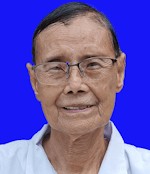
I am Noreen Mya Sie. I made my first profession as a Sister of Our Lady of the Missions in 1966. In our province here in Myanmar, I have been involved in teaching, leadership, formation, and at the Catholic Religious Conference of Myanmar (CRCM). I love it that I have been called to the world community of the Sisters of Our Lady of the Missions, and with so many others am committed to bringing about the reign of God in today’s multi-cultural and globalised world.
At present, I am our Province Archivist, and every day I am enriched by learning more about our pioneer sisters, their different ministries and the hardships they endured. Their experiences encourage me to more forward freely and courageously. It is great that I can make this journey with so many others in this age of technological advances.

Thank you dear Noreen! Like you, I too seek an ever deepening meaning and experience of contemplative practice and how this informs my living of our RNDM charism. The Christian contemplative tradition is quite moving and finds a oneness with other great world religious traditions like Buddhism, Hinduism, Sufism, the Jewish Kabbala etc. The journey into nondual oneness is certainly a taste of the Trinity, as much as my little finite mind can grasp such an Infinite Mystery. Thanks again, Noreen.
Thank you Noreen. I too am a Christian meditator and I am so happy to read about your contemplative journey. It is good to meet others who share this form of prayer.
I was struck by your line: “Dharma is deeply influenced by the Buddhist tradition, and is concerned above all with truth. It empowers us to strive to live a life of pure truth, a life full of peace, harmony, and goodwill for others.”
Today “alternative facts”, violence and instability are taking a heavy toll on human life. Dharma presents both a lofty ideal, and an alternate path. Thank you for making me more aware of the dynamic of Dharma which is also at work in the world.