
Kings seem to be back in vogue. Canada has one, as does the rest of the Commonwealth of course. We’re speaking here about hereditary, constitutional monarchs. Not would-be, divine-right kings free of any constitutional restraints.
In 1996, Lutheran liturgical theologian Gail Ramshaw proposed we simply call this the “Last Sunday of the Year,” adding,
“I find the myth of the crown, like the crowns themselves, more greed and glitter than divine design.”
How prescient.
But we’re not going to talk about kings this week (to many readers’ great relief.) Instead we’re going to take a breathtaking flight on the wings of the second reading from Colossians.
This text excerpt doesn’t fit very smoothly with the rest of this letter, a letter probably not written by Paul but by one of his associates – there are marked differences in the theology and the writing style. The section in Col 1:12-20 was a separate liturgical text, probably an early hymn that the writer dropped into the opening of this letter. Philippians 2: 6-11 was much the same. The Colossians excerpt would have been based on a pre-existing, perhaps well-known, worship text that combined Greek influence with Jewish wisdom traditions, punctuated with a few editorial tweaks that reflect the situation of the early church.
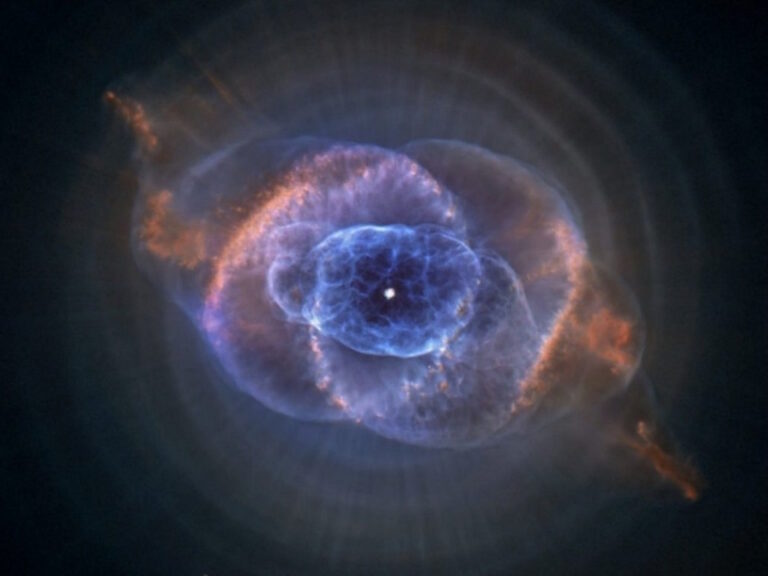
Look at the cosmic claims the passage makes for this crucified and risen prophet from Nazareth, this Christ, starting with
“the image of the invisible God, the firstborn of all creation.”
You might hear echoes of the beginning of the Gospel of John here, “In the beginning was the Word” and you might also remember that Wisdom Christology – Christ as Wisdom – came before Logos or Word Christology.
Seeing Christ as the wisdom of God, present from the primordial beginning, through whom all was created, in whom everything coheres together – none of this would have been strange to Jews familiar with the feminine figure of Wisdom in the book of Proverbs. She was a full partner with the Holy One, an agent of creation in herself, even creating all the celestial powers as the prophets interpreted them.
Nor would this have seemed strange to early Christians who were on board with Paul when he spoke of human persons as the image of Christ, and Christ as the image of God. How amazingly affirming of the holiness of creation, and the holiness of human persons who co-create in their own modest sphere of influence. Original blessing indeed.
Alas, an intrusive editor altered the idea of Christ as head of the cosmic body to Christ as head of the church. Once you do that, and couple it with the fourth-century idea of the church as an imperial institution, you’ve shifted the operative idea of “power” from strength to domination.
But hold on, there’s more richness to come.
“In him all the fullness was pleased to dwell, and through him all things were reconciled”
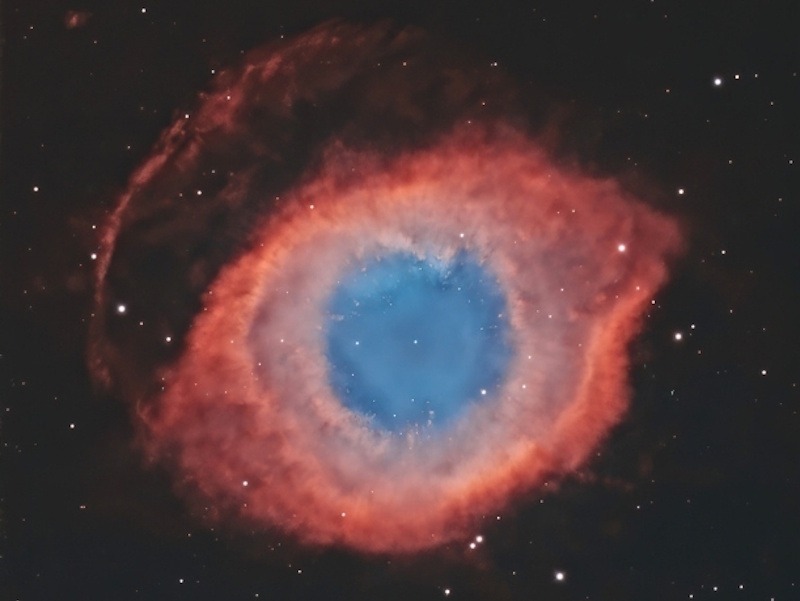
How many threads can we draw out from this vision to give energy to working for the health and sustainability of the environment, and for making peace with justice among warring national and ideological “powers.”
At the end of our passage,
“making peace through the blood of his cross”
can feel like a heavy thump as the glorious flight of divine cosmic wisdom hits the ground. This phrase too was a later editor’s addition.
Anglican commentator Reginald Fuller writes,
“It was a bold step when the Greek speaking Christians identified Jesus of Nazareth as the incarnation of the heavenly wisdom, and claimed for him all the theology of wisdom which had been worked out in Hellenistic Judaism. … [This] enabled them to oppose the Gnosticism which denied the salviability [sic] of creation and interpreted redemption to mean redemption from creation.”
Look at that! The material world is not evil by nature, and neither are our human bodies. All things are reconciled in the cosmic, the incarnate, the living Christ.
Never be afraid to take bold steps, or speak truth to power.
Go for the gold that lasts.
© Susan K. Roll
*Revised from the Reflection of November 20, 2022.
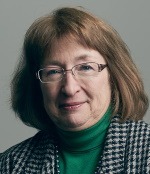
Susan Roll retired from the Faculty of Theology at Saint Paul University, Ottawa, in 2018, where she served as Director of the Sophia Research Centre. Her research and publications are centred in the fields of liturgy, sacraments, and feminist theology. She holds a Ph.D. from the Catholic University of Leuven (Louvain), Belgium, and has been involved with international academic societies in liturgy and theology, as well as university chaplaincy, Indigenous ministry and church reform projects.


Thank you for this illuminating article. I was particularly struck by your insight of “Christ as the wisdom of God, present from the primordial beginning, through whom all was created, in whom everything coheres together” This large, creating God stirs my spirit. That an intrusive editor would alter “the idea of Christ as head of the cosmic body to Christ as head of the church. … and couple it with the fourth-century idea of the church as an imperial institution, (does indeed) shift the operative idea of ‘power’ from strength to domination.”