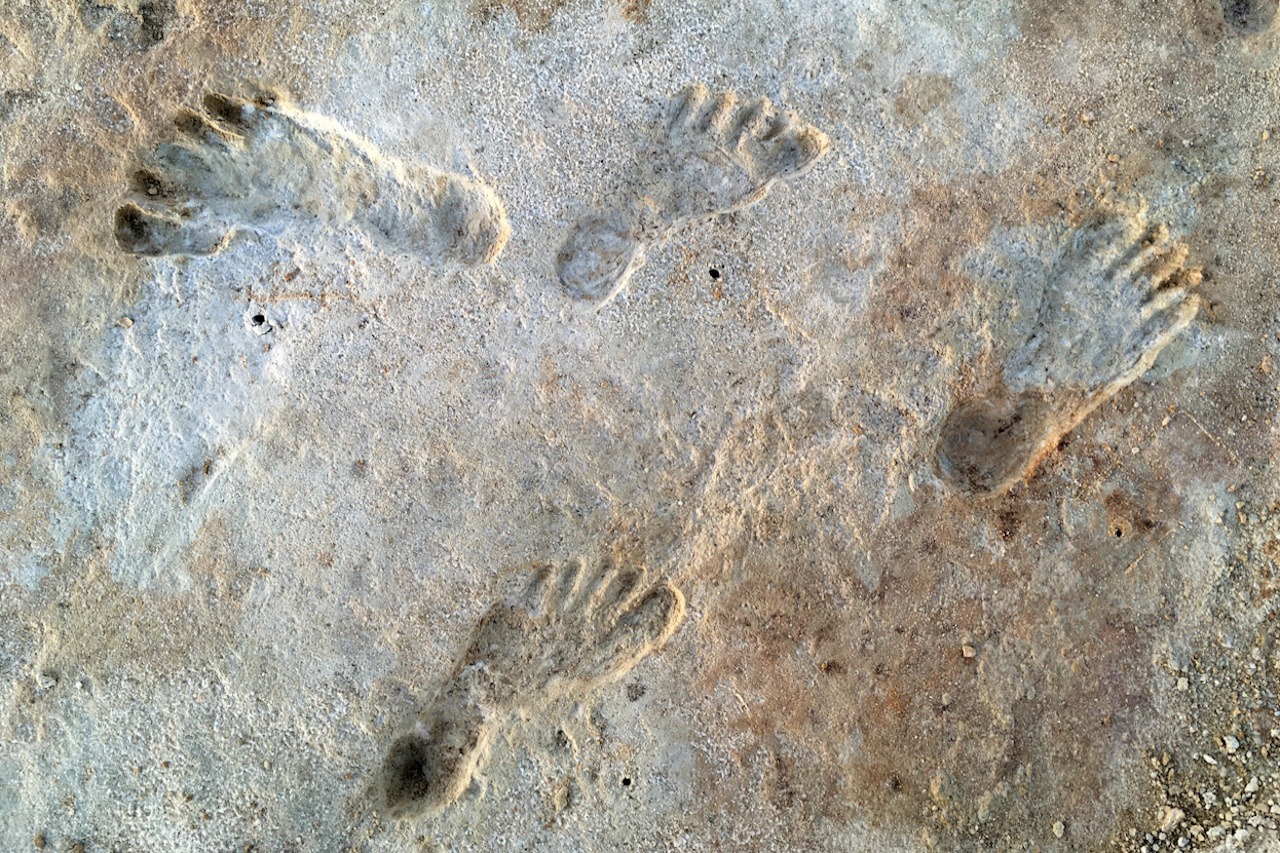
Our earliest ancestors learned by observation how to survive and thrive across the vast landscape of our evolving planet. So close were their ties to the land and the plants and animals, that many cultures today still speak of the relationship with Nature as a kinship, wherein animals and plants are sisters and brothers imbued with a life force.
I have been thinking a lot about my relationship to this planet and my more immediate surroundings lately. One, because I am participating in a zoom gathering of individuals interested in Listening to Indigenous Voices: A Dialogue Guide on Justice and Right Relationships1 prepared by the Jesuit Forum for Social Faith and Justice. The second reason is because I am also listening to Franciscan sister and scientist Ilia Delio talk about Evolution and lastly, but not least, because I found a dead squirrel in the middle of the road. All the above have made me question my own evolving relationship with the natural world, a world barely hanging on to what is ‘natural’ in this city I call home.
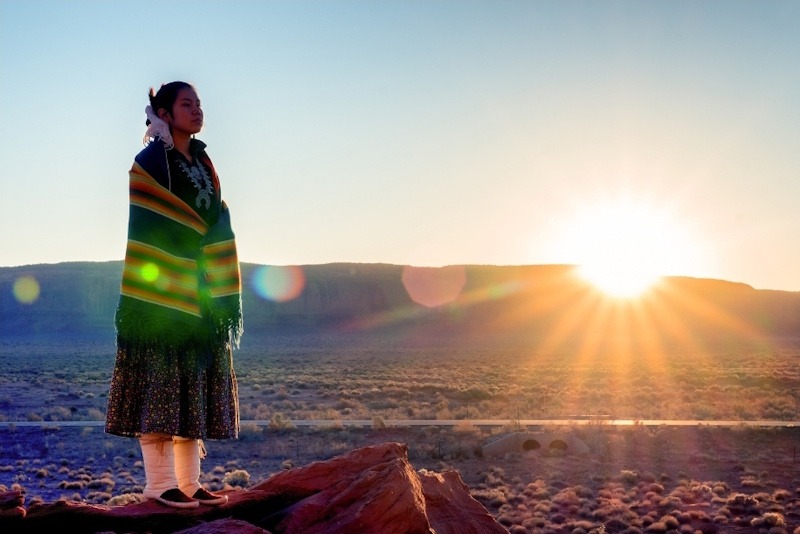
The languages of many Indigenous cultures do not even have a word that describes them as separate from Nature. The word Dene used by Indigenous people in Northern Canada means ‘people of the land’. The word Algonquin, the name of a cultural and linguistic group in southern Canada, is said to mean ‘they are our relatives’ or ‘place where you fish for eels’. The Anishinaabe, another group, created laws through a process called akinoomaagewin which means learning to live well by observing the natural world. It is, for them, a world that is in constant motion and thus seventy to eighty percent of their language is verb- based because their world is alive. The stars and planets, the animals and plants have agency of their own.
This fact is demonstrated in the treaties signed more than a century ago by the Anishinaabe chiefs and representatives of the British Crown. The Anishinaabe agreed to share millions of acres of land in what we now call the province of Ontario,
“for as long as the sun shines, the rivers flow, and the grass grows.”
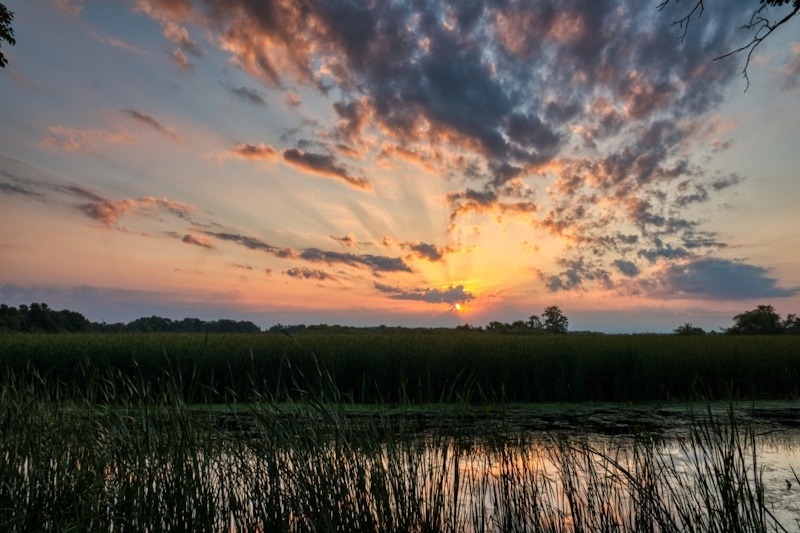
These words were packed with far more meaning than the British Crown was prepared to understand or more importantly, to honour. The word sun in Anishinaabe is gizis which represents, light, warmth, heat and sight; all the elements essential to our survival. Water is nibi, which in Anishinaabewomin, translates to ‘I am life’. Grass in the Anishinaabe culture is mashkiiki which relates to ‘strength of the earth’ and what grows out of the earth is medicine and this medicine draws life from sun and water. It is a world that is not only interdependent but naturally interwoven and the Anishinaabe therefore expected the British Crown to honour and care for what they would be sharing.
Had the Crown and its representatives bothered to learn the language of the people they were promising to honour, they would have had a much clearer understanding of the bond that existed between First Nations and the land they inhabited. In fact, the word land itself in Anishinaabe is shekeya which roughly translates to the ‘bottom of a moccasin’ or footwear, and its closeness to the earth.
What the Crown might have understood had they not lost touch with their own humaneness was the very word in their own language which described them. That word is human, a combination of the Latin homo, or man and humus, earth. That lack of awareness, not only resulted in a loss of land for the Indigenous peoples of Canada, but the loss of their place in it, and the eventual loss of language which transcribed their worldview. It is a loss that not not only impacts Indigenous peoples, it has prevented people like me from truly understanding what it means to be human in the fullest sense of the word.
Learning how to honour that connection to the natural world is where the squirrel I found comes in; a subject I will talk about the next time I write.
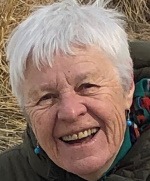
Bonnie Dickie lives in Winnipeg, the Elm capital of Canada. In a previous life she worked for CBC in Yellowknife, NWT before moving South to freelance as a documentary filmmaker. Her work has taken her across the Arctic as well as China, Africa and Spain. Today she is semi-retired and aside from her dog walking exploits is focused on learning to play the ukulele-a talent she has yet to fully grasp.
Thank you, Bonnie! This reflection captures linguistically what really happened at the root of treaty living. Until both languages are learned and understood, the meaning for both parties remains one-sided. Reconciliation through linguistic dialogue is an avenue to come to know and appreciate one another.