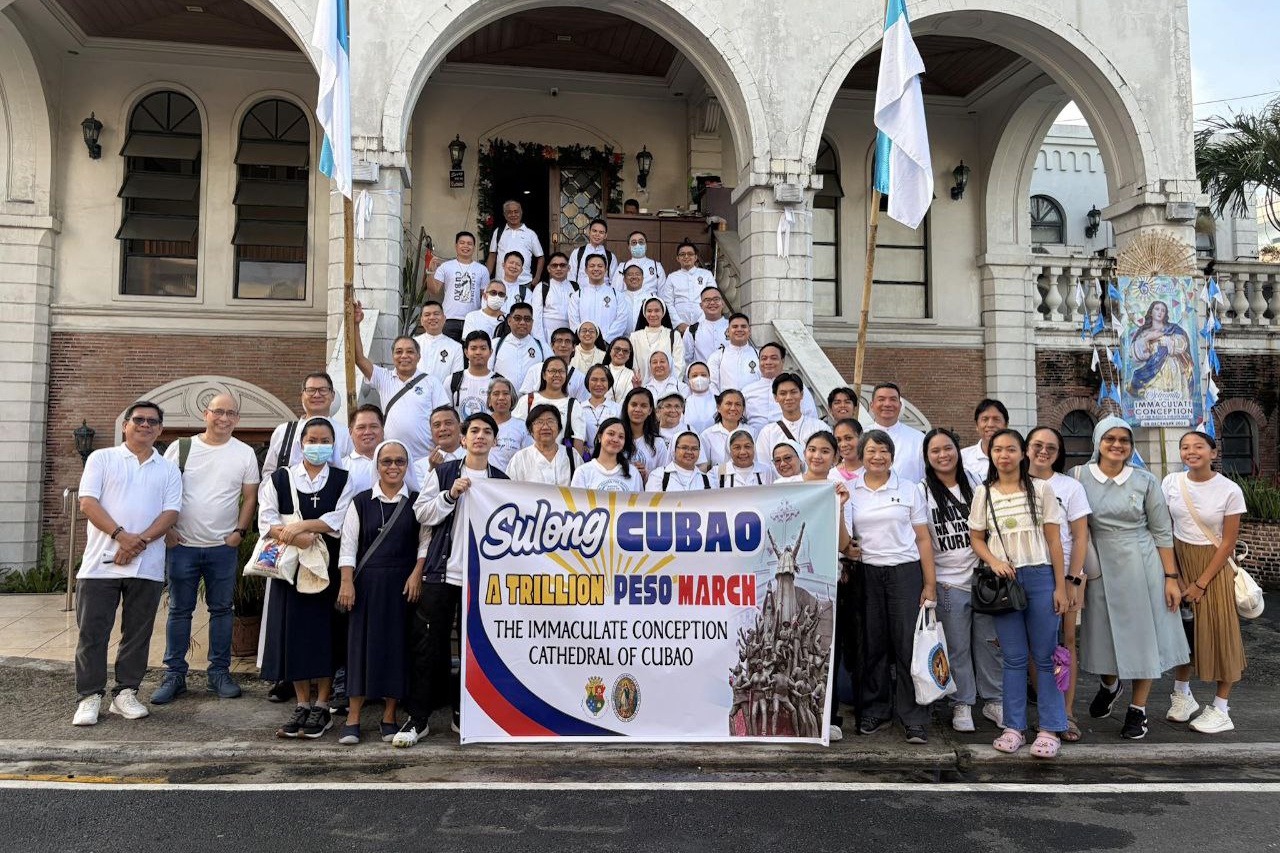
Corruption in the Philippines is not new. In recent months, however, it has dominated the news, memes, and social media posts. Nationwide Trillion Peso Marches have been organized by Churches and civil society groups in response.
We are familiar with corruption and, at times, participate in it ourselves through small bribes or by relying on personal connections to speed up the processing of documents or to secure a desired job—a practice known as palakasan. There is also corruption on a much larger scale, particularly in infrastructure projects, where a Standard Operating Procedure (S.O.P.) often involves giving around 20% of the project cost to those who approve and implement it. This practice inevitably reduces the funds actually used for the project.
What distinguishes the current corruption scandal is the blatant display of wealth by those who profited from it. While many understand that corruption is difficult to eradicate from society, the open flaunting of ill-gotten wealth was unexpected. People may quietly assume sudden wealth is the result of corruption—we know this—but openly showing it provoked public anger and indignation. Adding to this outrage was the discovery of ghost projects. Even under the S.O.P. system, projects are at least implemented, though often substandard because of reduced budgets.
There are three common ways corruption operates within the system. The first is the S.O.P. arrangement mentioned above. The second involves overdesigning projects to justify excess materials, constructing the structure with acceptable safety standards, and diverting the remaining funds. The third is completing only the paperwork without carrying out the project at all—resulting in ghost projects.
Corruption in the Philippines has siphoned off billions of pesos that could have been used to alleviate poverty. This is a deeply troubling reality for a country that calls itself Christian, revealing how severely moral values have declined.

Sr Patricia Lourdes “Petite” Lao, RNDM is a religious missionary of the Congregation of Our Lady of the Missions. She is currently a doctoral candidate of the Toronto School of Theology (Regis College) with a research interest in Indigenous-visible minority dialogue and the truth and reconciliation process.