The church liturgical year has its seasons. Gardening has its seasons too. February brings the season of seed catalogues and Seedy Saturdays1.
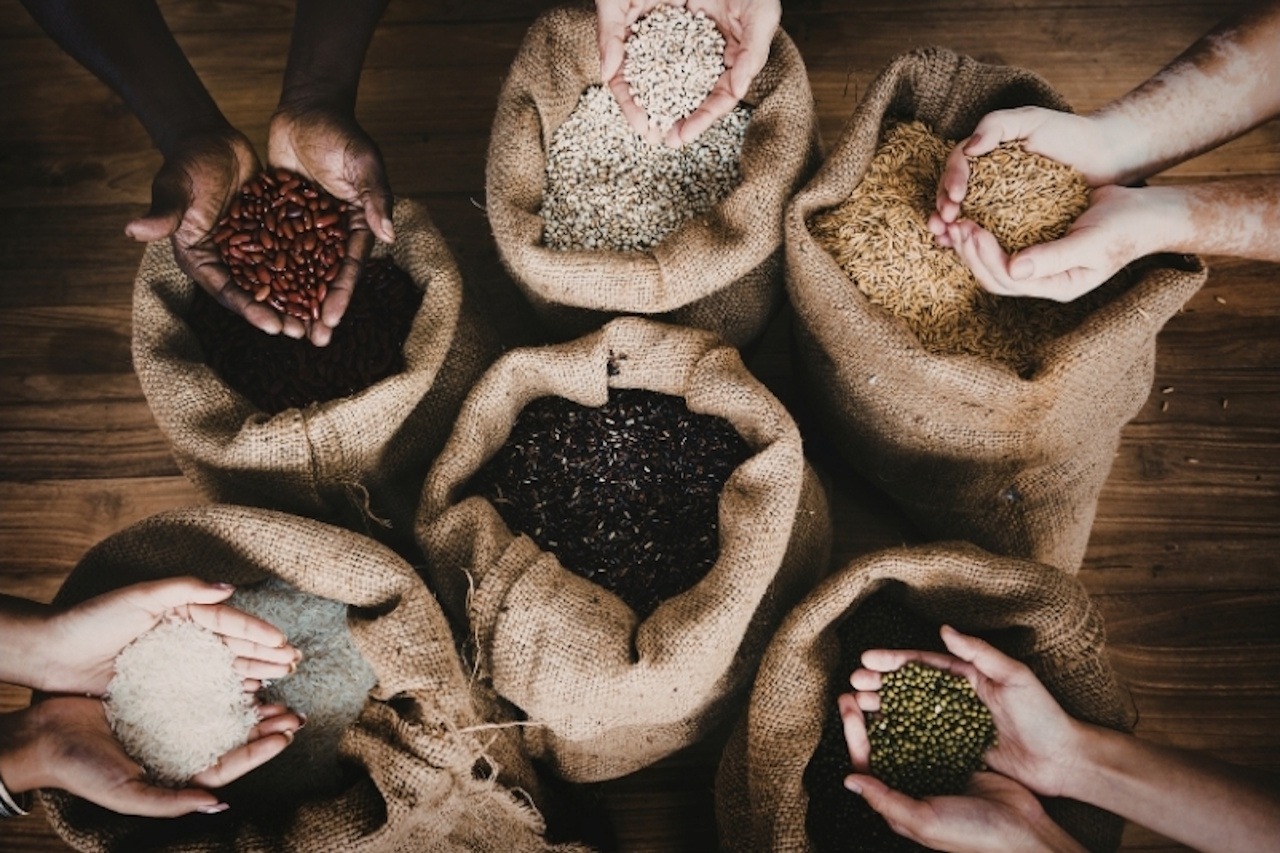
This winter I’ve been reading The Serviceberry: Abundance and Reciprocity in the Natural World by Robin Wall Kimmerer 2 and thinking about seeds in ways I haven’t before. While organizing seeds from last year’s beans, tomatoes and squash in preparation for an upcoming Seedy Saturday I am struck by the sheer number of seeds gifted by each plant – many more than I can possibly sow in this and future growing seasons while the seeds are still viable.
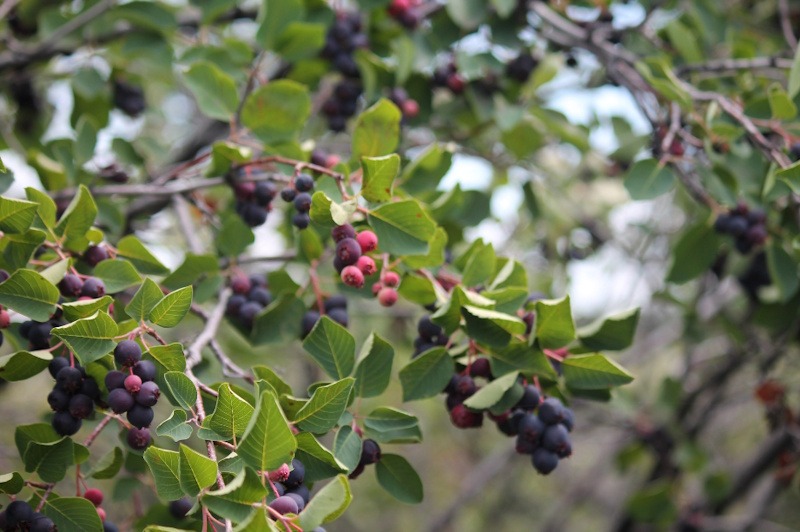
Saskatoon berries (A. Alnifolia)
If I am to embrace the Indigenous worldview and that of the more recent field of ecological economics3, I’m invited to learn from the natural world about interdependence and abundance, and
“the value of gratitude and reciprocity as essential foundations for an economy.”4
But how can I practise gratitude and reciprocity as a gardener? I have been a conscientious gardener, providing plants with enough water, healthy soil, proper placement for adequate hours of sunlight and protection from predators. I have also been an eager — and usually grateful — recipient of the bounty provided later in the season. Is there a deeper level of participation to which I’m being invited?
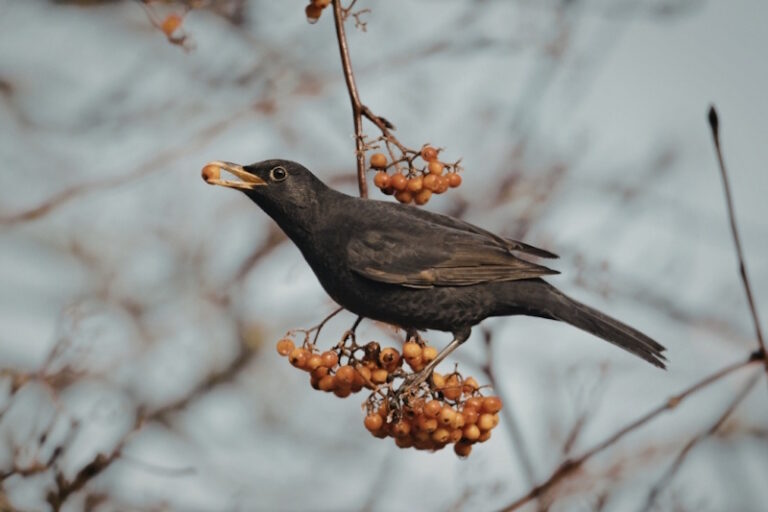
Questions of long-term sustainability have become more urgent for us. Perhaps the role played by birds in Robin Wall Kimmerer’s example of the ecosystem around the Serviceberry (Amelanchier alnifolia) can offer me some guidance. Birds, while eating the serviceberries, spread the seeds far and wide and this distribution task makes an important contribution to the long-term survival of these plants and to the larger community of beings that depend on these plants for food.
Birds eating berries is an essential and mutual part of the seed distribution system.
If I give seeds from my home-grown beans, squash and tomatoes to other gardeners, I:
become part of the distribution system for the plants’ DNA, giving their genetics a better chance at survival because even if I have a crop failure this year, the probability of several other gardens failing at the same time is low.
share the DNA that is evolving slowly and adapting to the growing conditions of our region. This is one way to support resilience as we continue to experience the effects of climate change.
make these seeds available at no cost to others. With inflation and food insecurity, this can be a precious gift. Gardening can be expensive; a packet of good quality seeds can cost $4 to $5 or more. Sharing seeds with each other can reduce this input cost significantly.
We are all connected and held together in a web of relationships in a larger ecosystem. When one part of this web suffers, the others do too. In sharing with each other, the abundance of a gift economy replaces scarcity and insecurity. As Robin Wall Kimmerer says
Wendy spent a good part of her adult life moving with her husband, never staying long enough to see an apple tree mature and bear fruit. When they retired, developing a food garden and planting hardy ornamentals became a passion. Weaving her previous studies in nutrition with her current interest in gardening has become a stimulating and life-giving activity.
I love this article, Wendy. Sharing seeds sounds like a wonderful act of resistance and hope in a world of scarcity and insecurity. Your committed heart is as big as your garden and the Gospel needs gardeners like you!



I love this article, Wendy. Sharing seeds sounds like a wonderful act of resistance and hope in a world of scarcity and insecurity. Your committed heart is as big as your garden and the Gospel needs gardeners like you!