
Reflection for the Sixth Sunday of Ordinary Time A or the Sixth Sunday after Epiphany
Readings: Sirach 15: 15-20 (RM) or Deuteronomy 30: 15-20 (RCL); Psalm 119; I Corinthians 2: 6-10 (RM) or 3: 1-9 (RCL); Matthew 5: 17-37 (RM) or 21-37 (RCL).
For those marking Transfiguration Sunday: Exodus 24: 12-18; Psalm 2; 2 Peter 1:16-21; Matthew 17: 1-9.
One of my favourite comic strip characters is a secondary but recurring character in “Pearls before Swine.” One day, two regular characters, Pig and Rat, got into a disagreement and they decided,
“Let’s go ask the Wise Ass on the Hill.”
And I thought, how does a syndicated comic strip artist get away with that in a family newspaper?
Next panel, Pig and Rat are trudging up a sharp incline. In the following panel they reach the mountaintop and come upon a sort of burro, seated cross-legged in a Buddha-in-Enlightenment pose. “The Wise Ass on the Hill.” (Eventually I saw the parallel with the Beatles’ song “The Fool on the Hill.”) They pose their asinine (…sorry…) question and get a snarky answer in return.
All this to say, there are different ways of being “wise.” Different kinds of wisdom, and conscience. Several of the readings this week have a theme in common, one way or another: What are different kinds, or levels, of wisdom? Can we move from one to the next?
The reference to wisdom in Sirach 15 comes from an affirmation of human freedom of conscience. Without freedom, the injunction to choose life and not death is meaningless – you don’t have a choice, it’s all fate or maybe karma. In Deuteronomy 30 the choice is also free – death or life, and each choice entails certain consequences. Freedom needs to be exercised wisely. The exercise of our human conscience invites us to participate in the wisdom of God.
In 1 Corinthians 3 Paul pushes his hearers to grow in wisdom, to progress from “milk” to “solid food.” Yet in 1 Corinthians 2 he weaves a breathtaking account of the nature of two levels of wisdom. The lower level, that of limited understanding and faulty choices with dire consequences, he ascribes to “the rulers of this age.”
But, in Paul’s vision, those who have committed themselves to Christ have access to a higher, or if you prefer deeper, wisdom – God’s wisdom, “secret and hidden.” Paul was no fool on the hill when he wrote this. He was deliberately co-opting Gnostic Greek philosophical terms. Many members of the Christian community in Corinth would have automatically resonated with this concept of secret wisdom. But Paul doesn’t mean what the Gnostics meant. Secret knowledge is never meant to remain the private property of one closed-in cult or one fraternity guarding its little private rituals. Nor should it.
“These things God has revealed to us through the Spirit, for the Spirit searches everything, even the depths of God”
— and for Paul, makes it the subject of a powerful message of Good News to share.
Look at the second reading for the Transfiguration, 2 Peter (not written by the apostle Peter.) Wisdom, embodied in prophecy, is
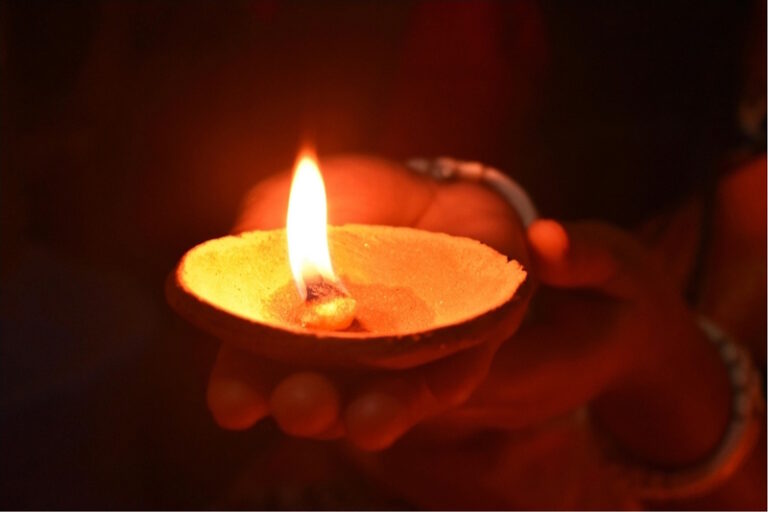
“a lamp shining in the darkness, until the day dawns and the morning star rises in your hearts.”
Simply exquisite.
Then, oh my, there’s the Gospel reading – more like a rant. Look at how Matthew sets up a step-by-step progression in penetrating one level deeper.
“You have heard it said…”,
then Jesus flips the conventional wisdom on its head and shifts the interpretation to one of – building justice. The conditions for committing murder have been set up by anger. Verbal abuse demands atonement before bringing an offering to God. The male gaze sets up the conditions for sexual exploitation, while throwing away a wife in this culture made a woman extremely vulnerable. Impulsive declarations come from overweening pride and self-exaltation. Not all the examples fit our contemporary cultures or speak directly to our lived realities, but we can see what Jesus was doing. He pushed his hearers to take account of the long-term ethical consequences of their actions, and to hold back from thoughtlessly overstepping boundaries.

So wisdom isn’t meant to be locked up, but set free to blow like a breeze, calling for careful discernment in conscience, growth in the depth of one’s understanding, and a halt to behaviour that causes injustice and suffering.
Funny how the Wise Ass on the Hill doesn’t seem to have achieved inner peace.
© Susan K. Roll
*Edited from February 12, 2023

Susan Roll retired from the Faculty of Theology at Saint Paul University, Ottawa, in 2018, where she served as Director of the Sophia Research Centre. Her research and publications are centred in the fields of liturgy, sacraments, and feminist theology. She holds a Ph.D. from the Catholic University of Leuven (Louvain), Belgium, and has been involved with international academic societies in liturgy and theology, as well as university chaplaincy, Indigenous ministry and church reform projects.