Recently, I read a scary article about AI being able to generate intimate relationships between humans and a machine (see James Muldoon, “Artificial Intimacy,” Guardian Weekly, 16 January 2026).
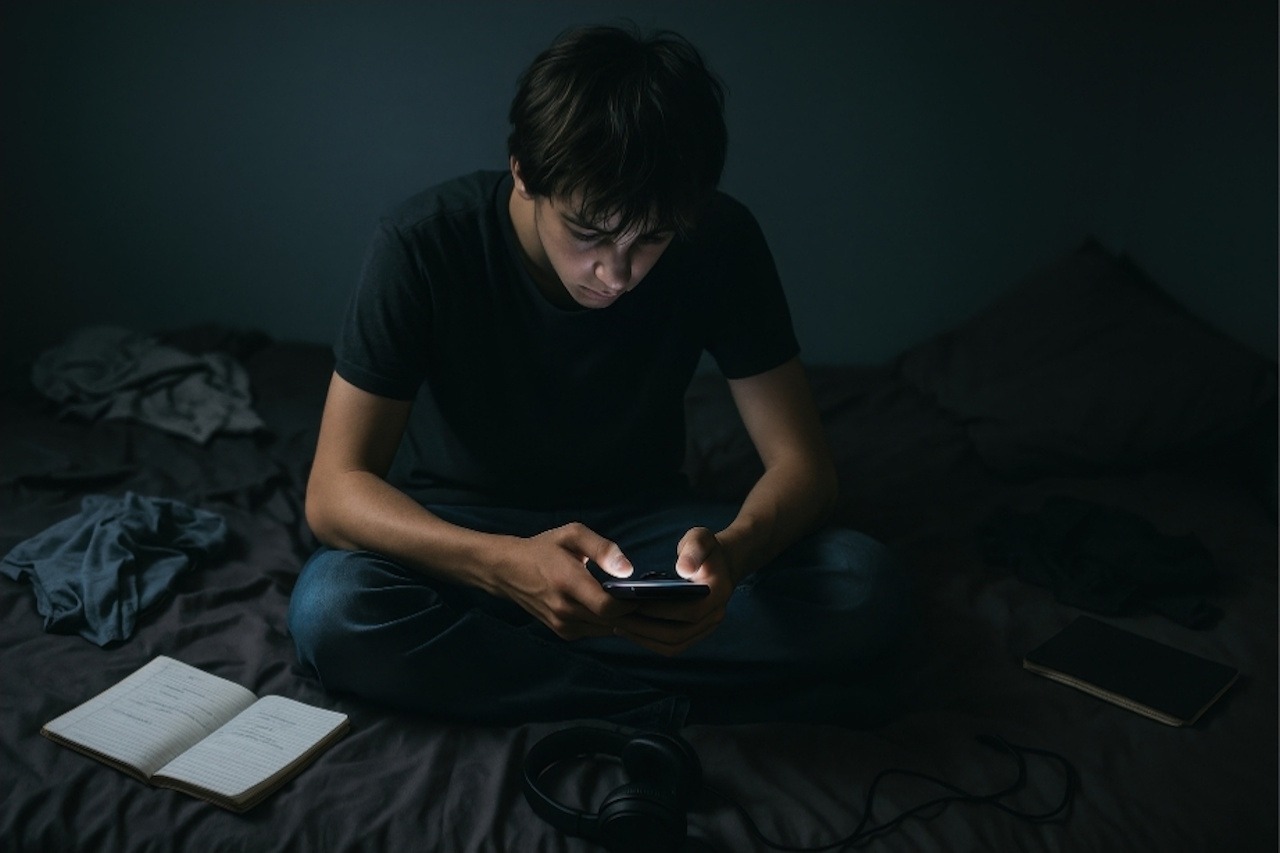
I read of young people who considered themselves betrayed by their partners. An artificial partner whom they could create as they wanted was deemed a safer and better option. I read in amazement how one young man and his online partner were chatting about what sort of family they would have, how many children and so on. The app the young man used is used by millions, and one can engage in erotic play. The creators of AI prioritize profits over people, so the likelihood of their being really concerned about disappointed lovers is remote.
Some years ago, my brother took me out to dinner in Ireland. We were in a rather smart hotel, and as we sat down to dinner, we chatted away, laughing over our shared memories. Most of the other diners, about our age, were seriously checking their phones, not talking too much. I remarked on this to my brother and he replied that they were probably married whereas we were brother and sister.
Friendships and good human relationships are taking a knock these days thanks, among other things, to the ubiquity of smart phones. Two weeks ago, two dear friends came to stay with us. We had not seen them for a year or so. None of us bothered about our smart phones, we simply talked and shared so much about our lives, and what had happened to us since we last met up.
We reformed the church, we reformed the world, in theory at least. We had some lovely meals, and lovely wine. We could resonate with the words of Jesus:
“When two or three are gathered in my name, there am I in the midst of them” (Matthew 18:20).
As Polonius tells his son, Laertes,
“Those friends thou hast, and their adoption tried, Grapple them unto thy soul with hoops of steel” (Hamlet, 1.3, vv.68-69).
Today we all live in an increasingly fragile and broken world, and strong and loyal friendships are one of the things can sustain us as we move into an increasingly uncertain world.
Susan Smith RNDM is a lecturer emerita in The University of Auckland’s Department of Theology. Her PhD was on developments in Catholic missiology after Vatican II. After her retirement from The University of Auckland, Susan also provided NT modules for the University of Newcastle, Australia, and a Women in Leadership module for Duquesne University. Susan lives with another member of her congregation in Whangarei, New Zealand, where both are committed to exploring experientially what it means to live in an eco-community. Both are involved in neighborhood environment organizations. They are particularly interested in what might shape eco-spiritualities in New Zealand.
What a very pertinent observation in our world of artificiality. Real human relationships are definitely suffering because of peoples’ preoccupation with their cellphone communication. AI adds another layer to an already dwindling world of personal relationships. My how are lives are changing!
Katherine Cameron
17 days ago
Right on, Susan! I recently heard a news clip before Valentine’s day where young people were being interviewed about dating apps. To my surprise and delight some of them shared their disenchantment with them, and had moved to in-person ways of connecting. As one young man so succinctly said, “if I go to places to do things I like to do I am likely to meet someone who likes some of the things I like”. How refreshing! And I could not help thinking to myself, gee, that is the way we USED to meet people! Thank you for this insightful reflection!






What a very pertinent observation in our world of artificiality. Real human relationships are definitely suffering because of peoples’ preoccupation with their cellphone communication. AI adds another layer to an already dwindling world of personal relationships. My how are lives are changing!
Right on, Susan! I recently heard a news clip before Valentine’s day where young people were being interviewed about dating apps. To my surprise and delight some of them shared their disenchantment with them, and had moved to in-person ways of connecting. As one young man so succinctly said, “if I go to places to do things I like to do I am likely to meet someone who likes some of the things I like”. How refreshing! And I could not help thinking to myself, gee, that is the way we USED to meet people! Thank you for this insightful reflection!