This Sunday you will be hearing the story of the Transfiguration according to Matthew if you use the RM, but Jesus’ meeting with Nicodemus if you use the RCL and celebrated the Transfiguration on the last Sunday before Lent.
Are there any parallels? Both stories are used in Lent because they’re part of the run-up to more fully understanding the identity of Jesus and the full cosmic import of the resurrection. I think there are two – the mountain and the light.
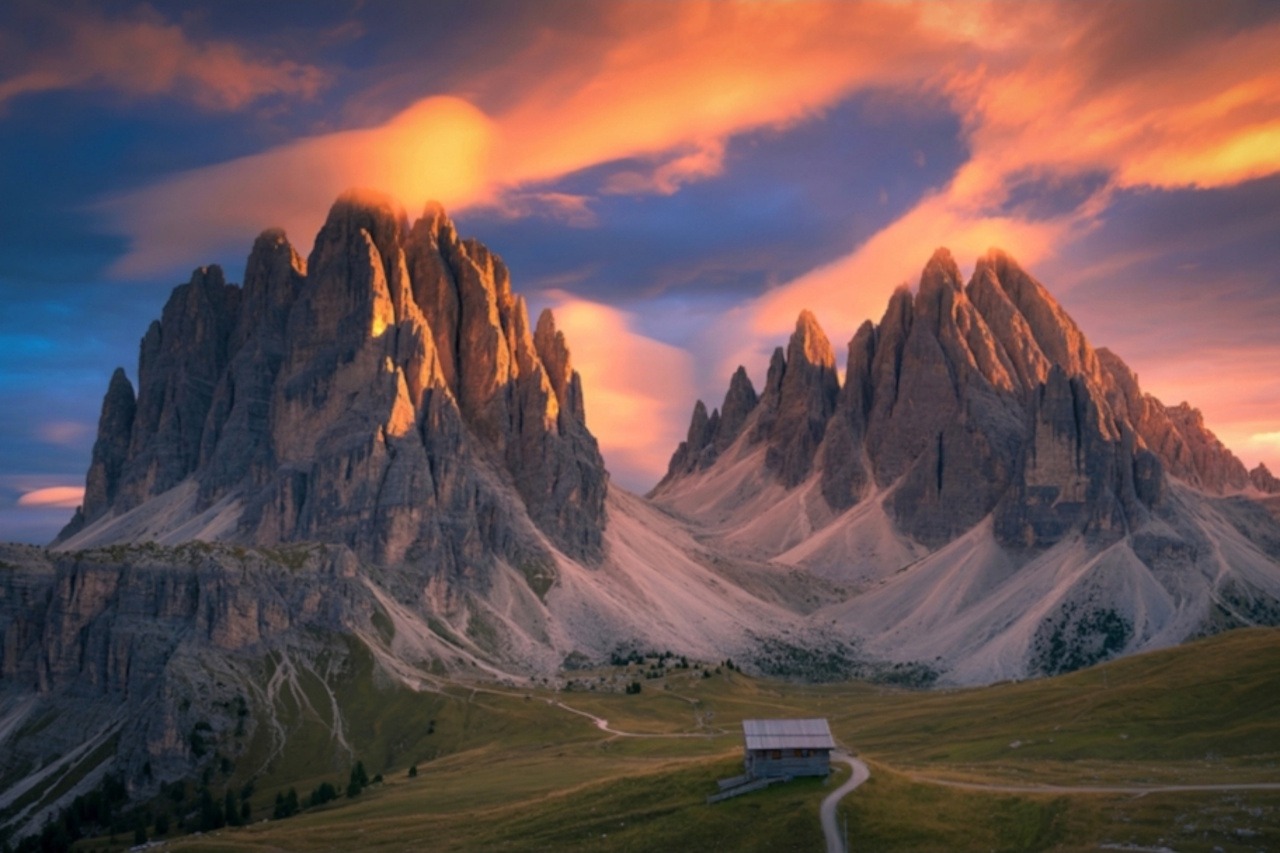
My idea of heaven would be riding the rails in Switzerland, gazing up from the train window at magnificent, craggy mountains and down on charming villages, a glass of wine in one hand and a great big slab of Swiss chocolate in the other.
There is something primal about mountains. They’re a common theme in the religious imagination of ancient peoples. In Egyptian mythology the mountain of creation rises out of the primeval waters, and there the god Re lives. In Canaanite religion, the gods Ba’al and El lived on the sacred mountain. The Roman sun god Mithras was born on the mountaintop, attended by shepherds. Mountains were holy places because they rose up toward the infinity of space, and provided an isolated setting for the awe-full encounter with the Divine.
And of course, for the Hebrew people Mount Sinai was where Moses received the tablets of the Law that defined how they were to live as people of the covenant. The prophet Elijah was taken up to heaven on a chariot from the mountain; in popular belief, he would return some day from the sky, from the East.
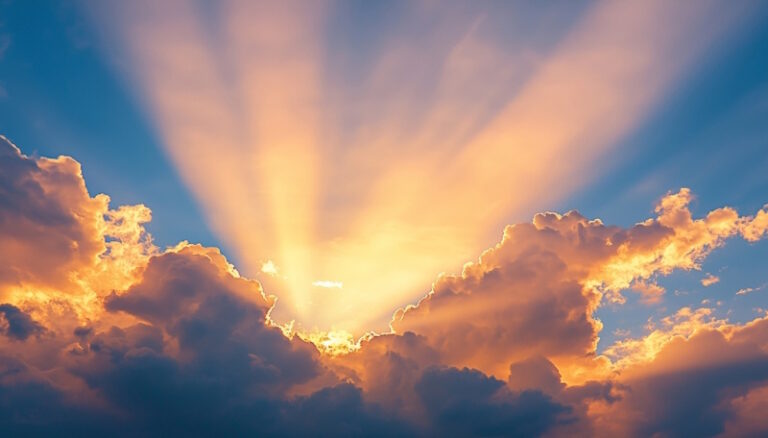
All of this forms the unspoken but well-understood meaning-frame of the story of Jesus’ Transfiguration on the mountain. In Hebrew legend neither Moses nor Elijah actually died. Both prophets still lived on in the divine sphere. And in this moment, Jesus himself became a luminous entity, a Being of unapproachable light, in conversation with the ancient but living prophets. Jesus is flanked on either side by these holy figures, much as he will be flanked on either side by condemned thieves at his crucifixion. While we have no way of knowing historically what may have happened, clearly this story relates a powerful religious experience, both for Jesus and for his closest friends
His friends are practically paralyzed in terror. Peter starts babbling incoherently about setting up tents where they can all stay overnight, as was the custom at the feast of Sukkoth. They experience a thundering voice from a cloud proclaiming:
“This is my beloved son … listen to him!”
Then, when they look up, Moses and Elijah have disappeared. Only Jesus in his earthly human form is left, standing before them, reassuring them,
“Do not fear.”
The vision has dissipated, but Jesus remains. His last journey on earth is still ahead of them – toward Jerusalem, toward death.
Elsewhere we read that Jesus said,
“I am the light of the world.”
Jesus’ words echo this mystical experience on the mountain, both as a description and a promise. He didn’t say, “I bring light” or “I shed light,” but “I am light.” Nicodemus came to speak with Jesus at night – not “to protect his reputation if Jesus proves to be a public relations disaster,” as per Werner Weinreich, but to seek in him the light of wisdom.
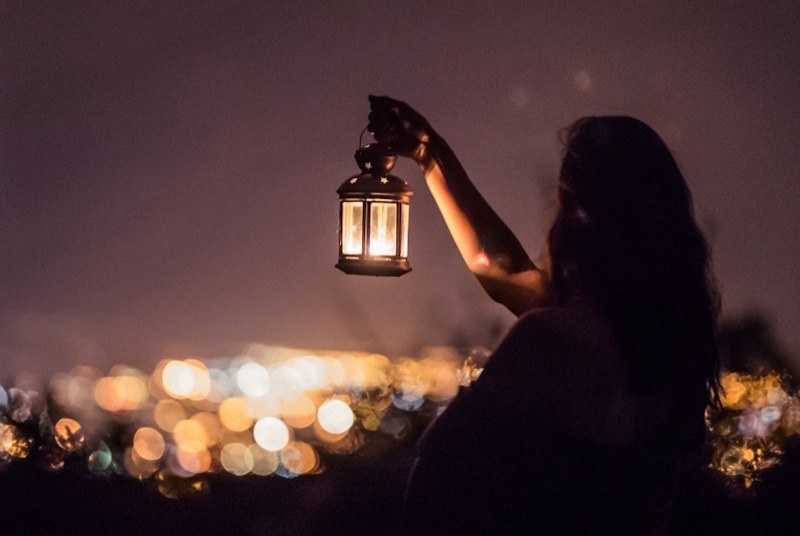
Jesus gave his friends a vision of divine light, holy brilliance, to keep secretly in their hearts as they walked the rest of the way toward a terrifying mystery that Jesus apparently knew was coming, but his friends did not. And just maybe, the light of Christ seeps into our own lives when we most need it. Sometimes we have to look hard. Sometimes the light radiates from the people around us, in what they do or say, or how they live. In 2 Peter there’s an eloquent urging:
“Pay attention to [the light], as you would to a lamp shining in a dark (in Greek, “murky”) place, until the day dawns and the morning star rises in your hearts.”
Christ is light. And we are called, each in our own life circumstances and our own relationships, to be light for others. In the words of the U.S. Poet Laureate, a young woman named Amanda Gorman,
“There is always light, if we are brave enough to see it. If we are brave enough to be it.”
© Susan K. Roll
*Revised from the Reflection of March 5, 2023.
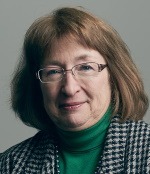
Susan Roll retired from the Faculty of Theology at Saint Paul University, Ottawa, in 2018, where she served as Director of the Sophia Research Centre. Her research and publications are centred in the fields of liturgy, sacraments, and feminist theology. She holds a Ph.D. from the Catholic University of Leuven (Louvain), Belgium, and has been involved with international academic societies in liturgy and theology, as well as university chaplaincy, Indigenous ministry and church reform projects.
Thank you, Susan, for an insightful reflection. Mom died of pneumonia in 2018 and Dad had a fatal heart attack in 2006 so I live alone now at Glebe Centre Long-Term Care. Breakfast was out of this world. Jessie gave me my pills and I brushed my teeth when I returned to my room. Lunch is at 11:30. Please reply when you have time.
all the best,
Sherri.