It was early in 2024, just a year since I had begun a new ministry in collaboration with LifeWay Network in New York City, accompanying women survivors of human trafficking. My companion in this ministry and I had been asked to prepare a presentation on our work to be shared with a local congregation via zoom. In negotiating a date for this to take place, we offered the second weekend in February. To our surprise, the response was an immediate,
“Yes! That’s timely – it’s the weekend of the Super Bowl.”
We looked at each other blankly. The Super Bowl? What did the Super Bowl have to do with our presentation?
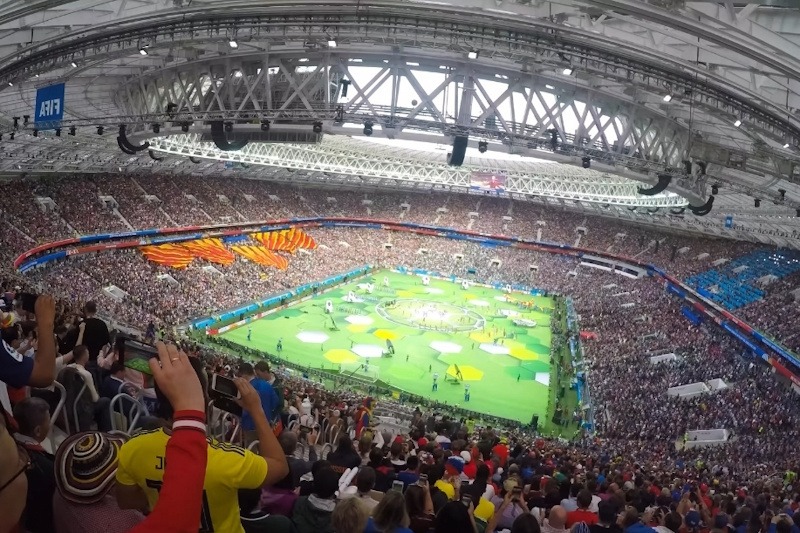
We have learned a lot since then. Whether the Super Bowl, the Olympic Games or the FIFA World Cup, major events do not in and of themselves increase the risk of human trafficking. They do, however, intensify the travel, tourism and hospitality activity in the local area, and it is this increased movement of people that creates opportunities for sex and labour traffickers to exploit vulnerable individuals.1
Major sporting events increase travel and economic activity, creating environments where vigilance against exploitation becomes essential.
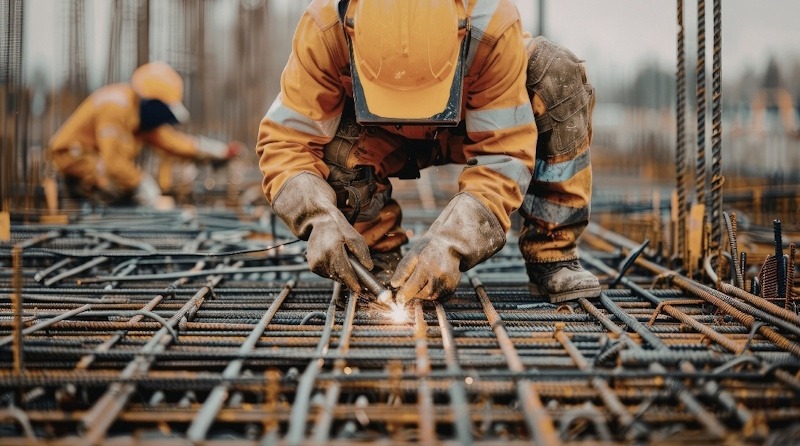
Over the past twenty years, the world also has begun to grapple with the complexities of global labour trafficking related to events such as the Olympic games. During the 2010s, activists and human rights organizations began highlighting the plight of migrant workers carrying out the rapid construction required for a massive Olympic infrastructure, too often finding them to be underpaid, overworked and living in substandard conditions. Under pressure from the international community, the International Olympic Committee (IOC), in 2017, began taking concrete steps to tighten the requirements around labour practices and to protect workers’ rights, with some success. Still, amid the continuing demand for cheap labour and the intricacy of the global supply chain, challenges persist.2
The global demand for large sporting venues often relies on migrant labour, making strong protections essential.
And what about the young athletes themselves? The Alliance to End Human Trafficking recently interviewed John-Michael Lander, who, as a 14-year-old Olympic-bound athlete, was preyed upon by the adults entrusted with his training, and “groomed and trafficked into silence.”3 Today, he is an author, keynote speaker and coach, sharing his experience, supporting survivors and encouraging the vigilance of local communities. John-Michael recalls
…going through a…(turn)stile, and I was with this predator. He didn’t look anything like me. And the person that was taking my ticket says, “Oh, it’s so exciting to see a father and son come through here together.” And I think that if that person was trained, maybe, just maybe, he would have seen the fear on my face. I was 14 years old. I had no idea. I didn’t want to be here. I didn’t want to do this…4
Prevention matters. Vigilance matters. We know today that trafficking is not confined to large-scale events, but that it may be as prevalent as the nearest restaurant, nail salon or construction site. We know, too, that communities with a strong anti-trafficking stance become less attractive to traffickers.
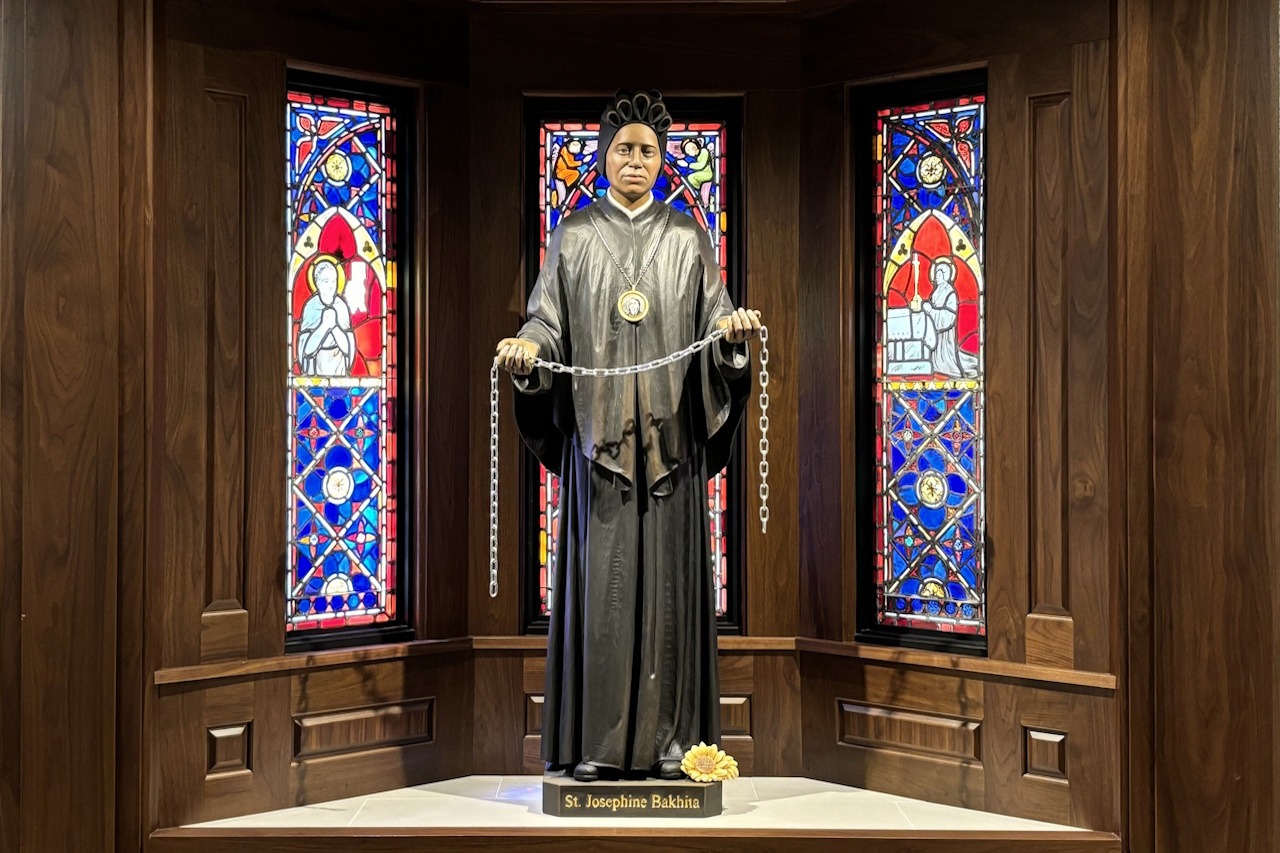
St Josephine Bakhita, help us to see and to prevent the slavery in our midst.
Claudia Stecker is a Sister of Our Lady of the Missions (RNDM). She was missioned to the Philippines in 1997 and worked as an educator, first, in Cotabato, at Notre Dame University, and, later, in Manila, at Asian Social Institute. Her subject areas included pastoral sociology, leadership, music and education. Claudia was also employed by Kuya Center for Street Children where she took part in establishing a microfinance initiative among urban poor families. Over the years, Claudia served the congregation, too, in leadership, formation and finance management, returning to Canada in 2021. From 2023, she has been missioned to New York, USA, where she serves as a host community member in a LifeWay Network safehouse for women survivors of human trafficking.