
“Evil” is not a term I use lightly. And yet it is a term that seems to fit when considering the dynamics at work within many political and social structures today. I am thinking particularly of those systems/structures in the U.S. that have become so visible, so divisive, and are so destructive for so many.
Those damaging systems/structures are created by people who seek to define and shape reality by creating alternate worlds and then insisting that everyone else must live in that reality with them or be cast out, demeaned, or threatened. (e.g. the “big lie” about who won the 2020 U.S. federal election, or firing statisticians because the job numbers are embarrassing, or how many persons are being deported). Within such systemic falsehoods, values like truth, integrity, mercy, are dismissed, and qualities like domination, control, conformity and cruelty are valorized.
In face of that reality, I can feel baffled and disturbed. In such moments, I find the principles of liberation theology helpful. Liberation theology begins with a “hermeneutic of suspicion.” Meaning: be suspicious of the current structures of society and question them vigorously. This is not about conspiracy theories, based on dubious and untrustworthy sources. A hermeneutic of suspicion is guided by healthy curiosity, a commitment to truth, and trustworthy data.
A hermeneutic of suspicion interrogates both the bad acts of individuals and societal structures that create pressure to violate both the law and morality. Some liberation theologians call this “wickedness,” the combination of individual evil acts and the social constructs they create, that mutually reinforce each other.1
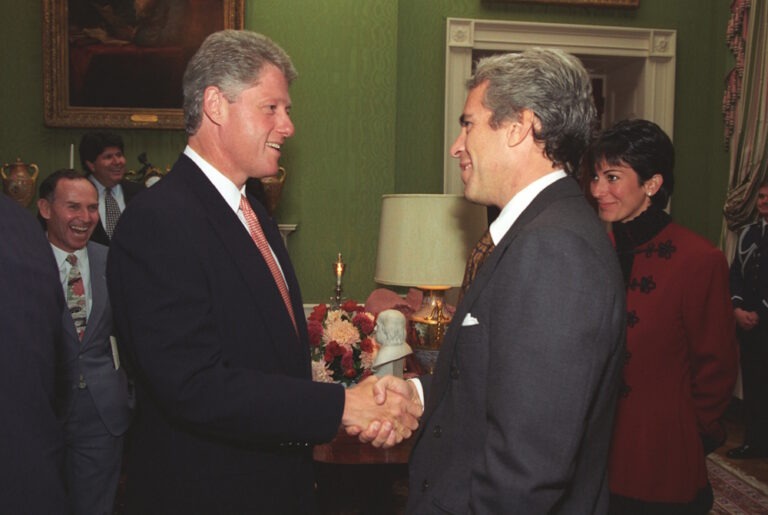
I find this framework helpful when considering the Jeffrey Epstein saga, which has recently re-emerged in the news cycle. This drama which has been gripping my attention for the last several weeks, seems to have created turbulence and resistance in U.S. legislators where other egregious actions by their president have not. And what does that mean?
As I say, I am not a conspiracy theorist. However, as I have learned more from credible analysts about gaps in the Epstein story, the many questions to which those gaps give rise, and the apparent inaction of powerful (mostly male) lawyers, politicians, and financiers, questions grew. A “hermeneutic of suspicion” took hold!
As the U.S. Justice department declared its inability to release the “Epstein files”, I kept wondering about all the testimony the trafficked and abused women had already given in sworn depositions, and that has been largely and inexplicably ignored. It seemed part of the centuries-long patriarchal practice of ignoring what women say.
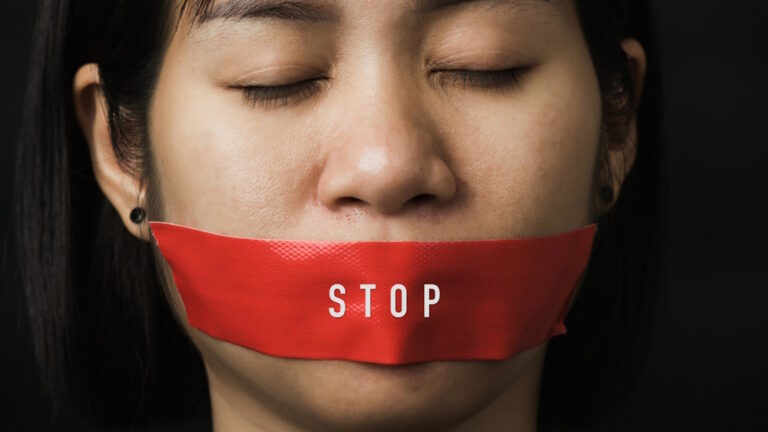
There are two tragic threads in the “Epstein story”. One is the thread of the many girls and young women who were abused and trafficked by Epstein and his companions. The extent of the abuse and the documented damage to the women is truly appalling.
The other tragic thread is that some of those women had the courage to publicly tell the truth of their experience, only to have those testimonies muffled, or threatened, or attacked. And then ignored.
May courageous survivors yet come to experience the release of being heard and believed. In the spirit of the Magnificat, may wicked men in corrupt systems be “cast from their thrones” and the lowly be lifted up.
This “Epstein story” and its many repercussions is not going away. May it continue to destabilize the powerful in the U.S., and elsewhere in the world where “might makes right”. May it push more of us to practice a hermeneutic of suspicion. May we question vigorously and out loud the many violations of human dignity and human rights.
1 See the chapter on sin and evil in Lift Every Voice: Constructing Christian Theologies from the Underside, by Susan Thistlethwaite et al.

Veronica Dunne is a Sister of our Lady of the Missions (RNDM), who has primarily worked as an educator and counsellor in institutional and community based settings in Canada. She has also served with the RNDMs outside of Canada in Senegal, Peru, and Aotearoa New Zealand.
A 2002 Doctor of Ministry graduate from the University of St. Michael’s College, Toronto School of Theology at the University of Toronto, she subsequently served as director of the Doctor of Ministry program at St. Stephen’s College at the University of Alberta in Edmonton. Her current research interests are in eco-theology and cosmology, and their intersections with indigenous cosmologies and spiritualties.
She presently serves on the RNDM leadership team in Canada.


Veronica, you are exactly correct in what you say in this reflection. We must take the hermeneutic of suspicion stance so we can examine and challenge the evil powers that be in their destructive behaviour. Thank you for giving a voice to the unheard. Excellent examination of the abuse of young women by men in power. This abuse has gone on for far too long.