
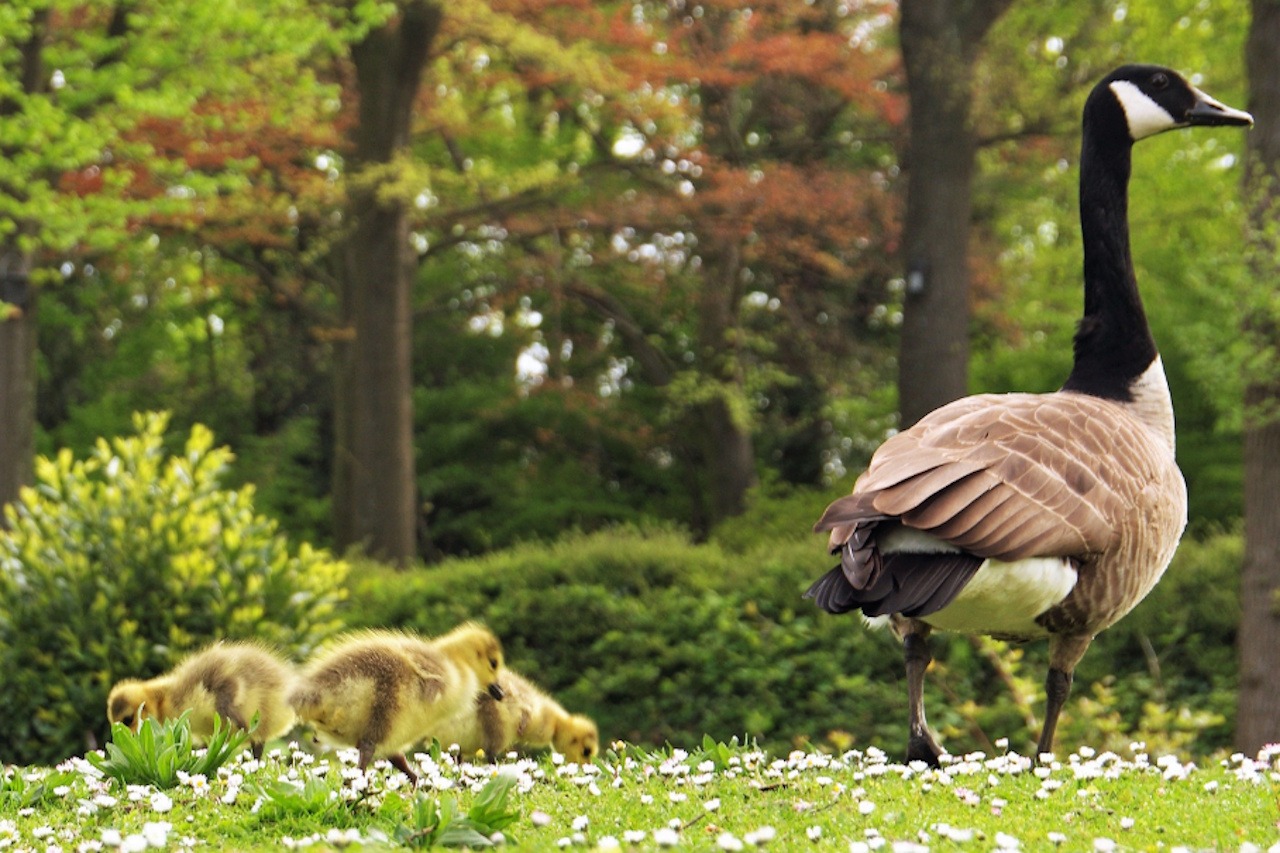
Sitting outside on this first day of autumn under a sky that is a soft blue backdrop for a few white clouds floating by and a flock of geese honking during their flight training session above me, I feel that “all’s right with the world.” 1 It’s difficult to integrate the reports that a “Godzilla El Nino” is forming in the Pacific Ocean and is predicted to affect our weather adversely and well into the next year, causing much suffering around the world.
Here, on the Canadian Prairies, climate scientists are predicting a warmer winter with less snow and a hotter, drier summer in 2027. What can I do now and in the coming months to prepare?
Keeping in mind that this garden is an ecosystem with many living beings sharing this habitat, I’m reminded of the Canadian Wildlife Federation’s advice on how to meet the needs of wildlife:
“You must have one or more sources of water, food and shelter in your garden and use earth-friendly gardening practices to maintain it.”2
This is some advice I’m following:
1. Preparing Before Winter
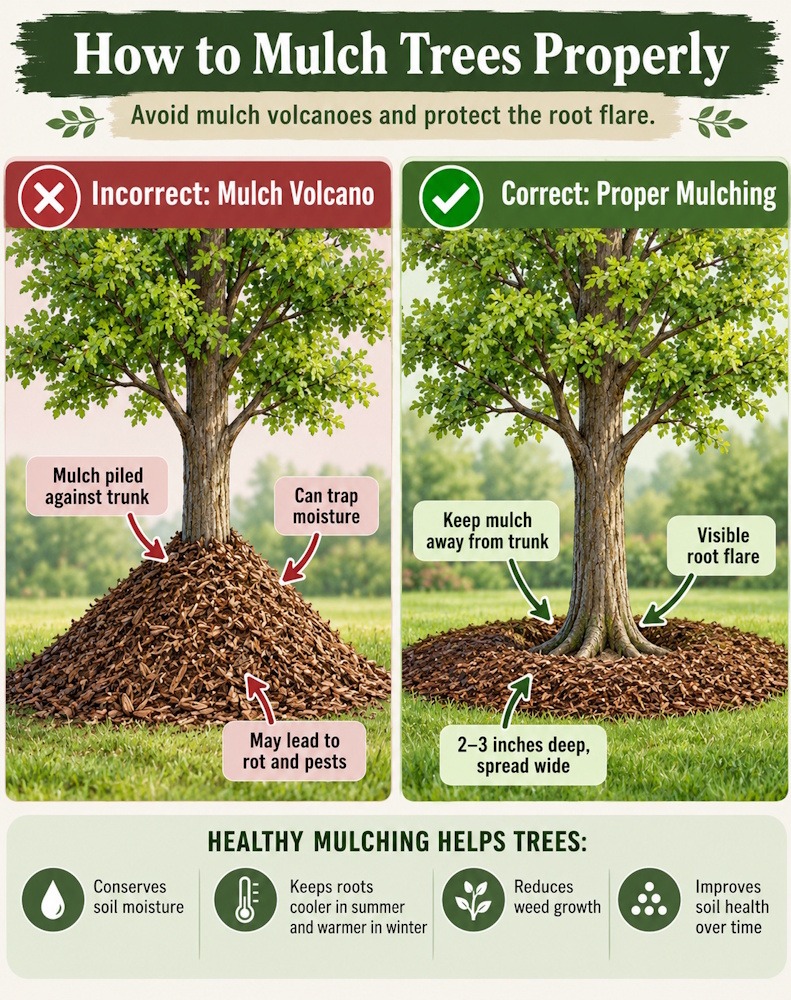
The University of Saskatchewan recommends deeply watering trees, shrubs and perennials two weeks before freeze up (late October) and topping up mulch to 5 inches to protect roots from heaving out of the ground during early spring freeze/thaw cycles. This can also protect soil microorganisms, hibernating insects and toads and is especially important without the insulation that a good snow cover provides. Arborist wood chips are ideal around shrubs and trees 3 and straw or shredded leaves work well to protect herbaceous perennials and vegetable beds.
I leave most stems of herbaceous perennials standing for insects that use them as winter shelter, and some areas of soil are left bare for ground nesting bees to set up house. Bird feeders filled with high energy foods such as black oil sunflower seeds and suet will help those that overwinter.
2. Preparing for a Hot, Dry Summer
I leave most stems of herbaceous perennials standing for insects that use them as winter shelter, and some areas of soil are left bare for ground nesting bees to set up house. Bird feeders filled with high energy foods such as black oil sunflower seeds and suet will help those that overwinter.
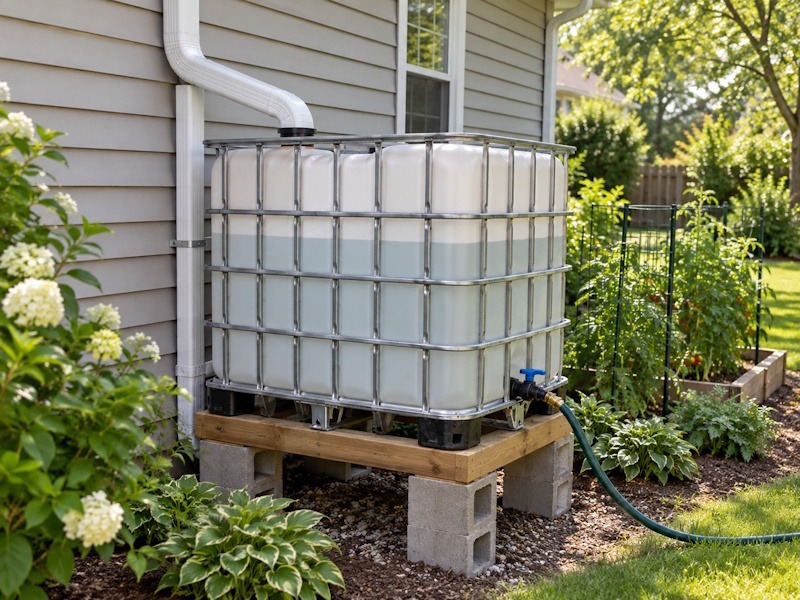
- Water: Place large food-grade containers such as the 1,000 litre totes (also known as Intermediate Bulk Containers or IBCs) under downspouts to collect significant free water from a single rainfall. Birdbaths filled with clean water, shallow saucers with pebbles for bees and mud puddles for butterflies all help.4 Maintain some damp shady areas to provide refuge for toads and frogs.
- Soil: Add organic matter (home-made compost, well composted sheep manure) to garden soil to increase its water-holding capacity, and a good layer of mulch to decrease moisture loss and protect plant roots and soil microbes from extreme heat.
- Plant Choices: Include plants that can tolerate heat better than those that prefer temperate summers. e.g. for leafy greens, Tuscan/Lacinato Kale is a better choice than most lettuce varieties which have shallow roots, prefer cool weather and will go to seed quickly in heat. Mediterranean herbs such as rosemary, oregano, sage and thyme are heat loving and drought-tolerant. For ornamental plants, choose more Prairie native plants which also provide food for beneficial insects, and those annuals native to hot climates such as Zinnias (native to Mexico) which tolerate hot, dry summers in our gardens too.
- Soil: Add organic matter (home-made compost, well composted sheep manure) to garden soil to increase its water-holding capacity, and a good layer of mulch to decrease moisture loss and protect plant roots and soil microbes from extreme heat.
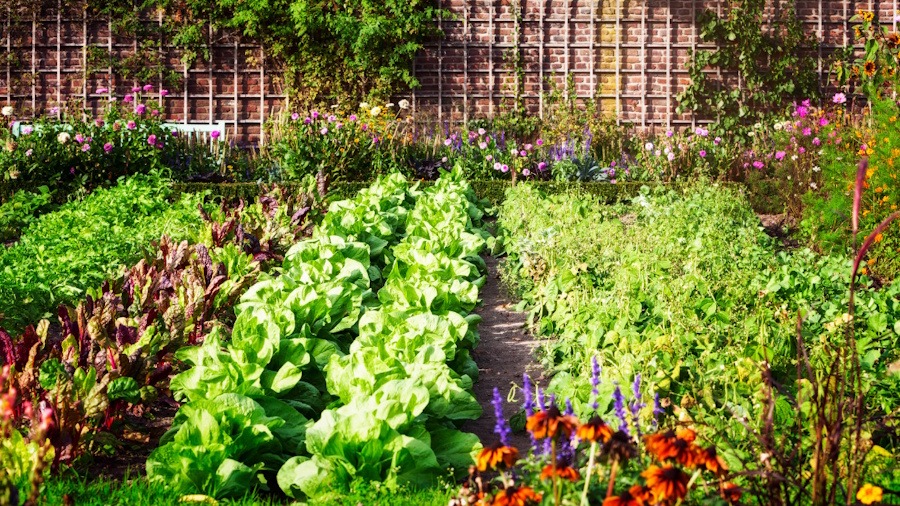
3. Preparing Myself
From a conversation I had recently with a Nigerian woman, I learned that she does much of her garden work in the evening now because of the intense daytime heat. I might have to do the same. I may have to accept loss and less-than-ideal produce. This year many of the beefsteak tomatoes I grew were misshapen because of the rollercoaster weather we had. But they still had that delicious, homegrown taste. To practise gratitude for what the Earth provides reminds me that these times aren’t easy for me as a gardener or for this planet, and that we are in this together.
1 From “Pippa’s Song” by Robert Browning.
2 For more information on making your garden a wildlife friendly habitat, see https://cwf-fcf.org/en/conserve/gardening-for-wildlife/action/get-certified.html
3 It’s important to keep the mulch layer some distance from the trunks of trees and avoid what is called “volcano mulching.”
4 For more details on providing water for pollinators, see: https://xerces.org/blog/if-youre-thirsty-theyre-thirsty-make-simple-water-source-to-support-pollinators

Wendy spent a good part of her adult life moving with her husband, never staying long enough to see an apple tree mature and bear fruit. When they retired, developing a food garden and planting hardy ornamentals became a passion. Weaving her previous studies in nutrition with her current interest in gardening has become a stimulating and life-giving activity.
Wendy, this is so timely for me! I have been pondering the summer and the effect it had on my garden and yard, and wondering what next and how to prepare for winter, so I find this so very helpful. We already do some of the things you suggest and now have more ideas to work with.
I really appreciate your last sentence, referencing gratitude and reminding us that we and the earth are in this together.