
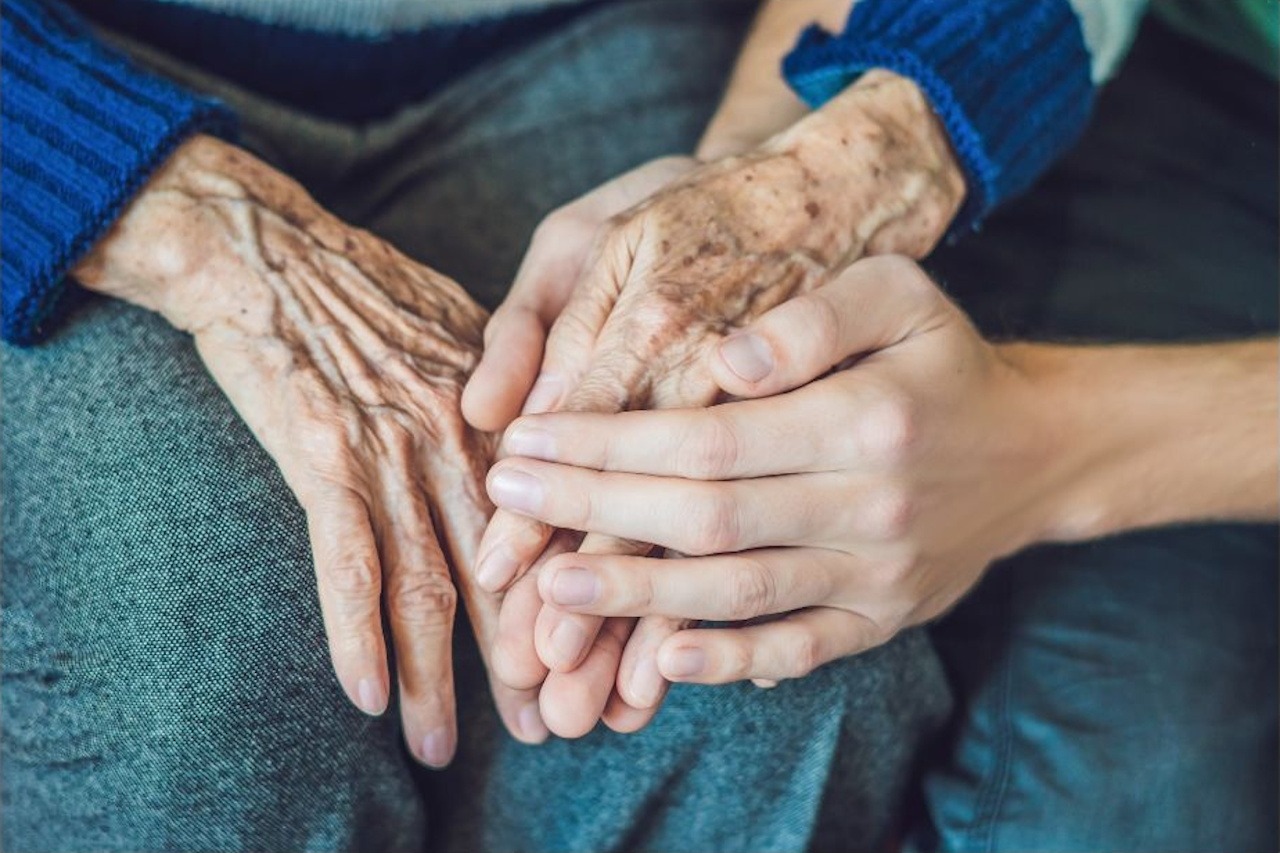
Through my sociological research, I’ve spoken with many women who identify as religious about their experiences. I usually include questions about how they live their religion on a day-to-day basis. For many women, caring for members of their families and communities is an important part of their religious identity and practice. This is not surprising given that patriarchal religions, like Christianity, Islam and Judaism define women’s roles in terms of gender complementarity. As a young Catholic girl, I was taught that my fundamental or essential nature was that of a caregiver and nurturer while men’s essential nature was that of leaders and providers.
Care is good and necessary. Everyone needs to be cared for at different times in our lives because as embodied human beings, we experience physical and emotional vulnerabilities. The problem, however, is the gendered nature of care. Caring for vulnerable people is taught and understood as something that women have a natural aptitude for and thus becomes women’s responsibility. These are the gender roles that I observed my parents and grandparents performing growing up on our farm. As a teenager, I started to question why my sister and I had to milk cows, feed calves, and drive tractors but my brothers didn’t have to cook, wash dishes or clean the house.
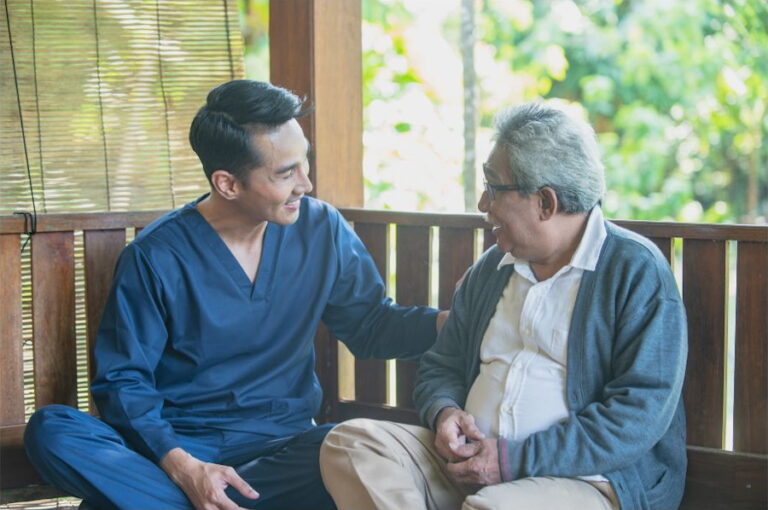
Despite advances in gender equality in Canada, in addition to doing most of the unpaid care work in families, women are still more likely than men to work in so-called caring professions such as childcare workers, schoolteachers, guidance counsellors, nurses, therapists, social workers, victim service personnel, personal support workers, long-term care staff, dieticians, and food service workers. Many of these jobs are characterized by low wages and insecurity. They are also more likely to be performed by racialized immigrant women.
Care isn’t fundamental to being a woman, it’s fundamental to being human. Care is central to the functioning of our families, communities and country. The deconstruction of gendered and racialized nature of care work is an important contribution to resisting/transforming religious patriarchy and advancing social justice in Canada.

Cathy Holtmann grew up on a farm in Rosser, Manitoba and has been a member of the Catholic Network for Women’s Equality since the 1990s. She is Professor and Chair of the Department of Sociology at the University of New Brunswick. Her research expertise is in the areas of gender and religion, religious diversity, family violence and immigrants.


Welcome Cathy, I’m looking forward to reading your articles!
I love the line: Care isn’t fundamental to being a woman, it’s fundamental to being human. May more and more humans understand and live this truth!
👏 👏 👏
I, too, was particularly struck by the line “Care isn’t fundamental to being a woman, it’s fundamental to being human”. Looking forward to hearing more from you, Cathy!