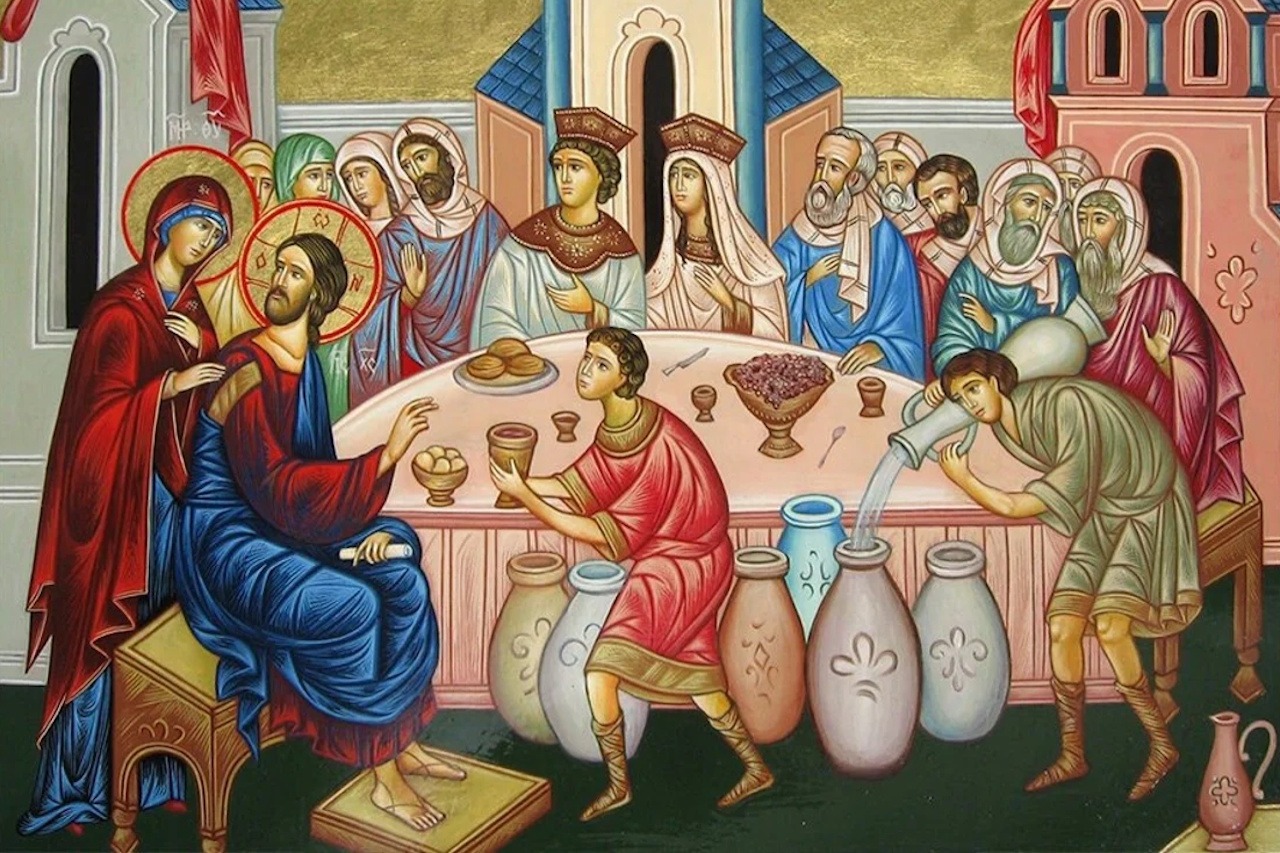
“Would it be outlandish to say that the mother of Jesus, in effect, gave birth to the first sign of who he was as divine? Birthed his public ministry? Accompanied him at its culmination, and birthed him into the unexplainable – the gift of life beyond death?”1
I was really fascinated by this question posed by Susan K Roll in her reflection on the familiar Cana story. I felt it added a new dimension to what I have understood as Euphrasie’s understanding of the role of Mary in the Divine Missions. I had associated it with Mary of the Visitation and Pentecost as is highlighted in our Constitutions and also saw it reflected in Mary on Calvary where the earthly mission of Jesus reached its fulfillment. Now I was drawn in a new way to the image of Mary of Cana.
I was reminded of my experience of celebrating the Feast of the Epiphany in the Russian Church in Rome. The liturgy through the rich use of symbols highlighted the three epiphanies- the visit of the Magi, the Baptism of Jesus and the Wedding at Cana – three images of the human life of Jesus and the manifestation of his divinity – in the gifts offered by the Magi, the voice proclaiming the Sonship and the first miracle.
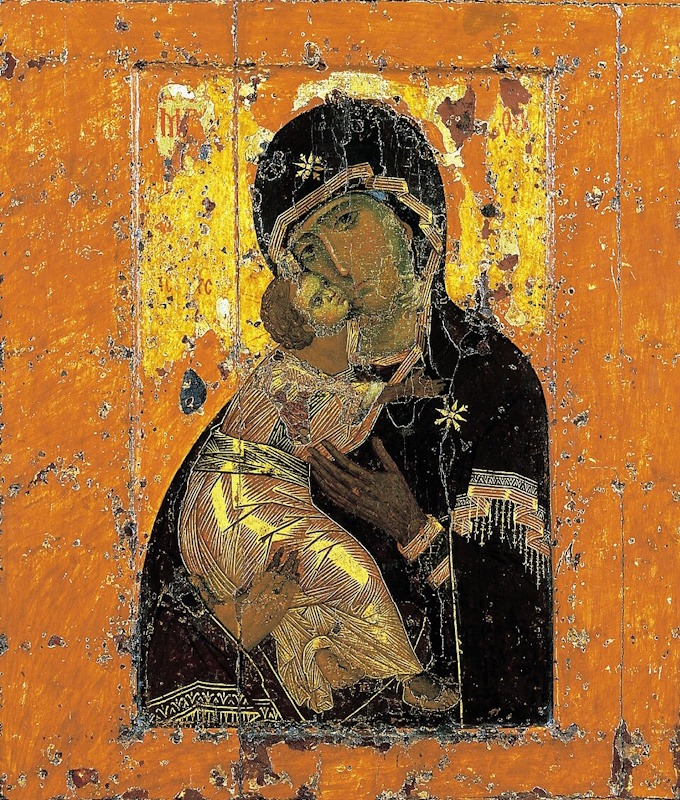
It drew me back to reread the epic poem The Wedding Feast by the Australian Cistercian Daniel O’Donovan2 written in 1985 but speaking to me now in new ways as I pondered on the use of power in our world today. As O’Donovan reflected on the image of Our Lady of Vladimir in his tiny hermitage chapel after a storm had lifted the roof he pondered of what he refers to as
“grace-birth of another quality of power requiring another name citing a 5th century hymn for the epiphany referring to the Cana sign… a new kind of power the waters of the jar turn red.”
The poem is full of rich imagery drawing on Scripture reference and iconography beginning with a powerful image of the birth of Jesus-
“before she knew he was upon her bosom a babe of on high”
and ending with the image of Mary
“she rose into the air higher and higher up into the sky Now under her feet a Moon appeared and on her head a crown of twelve stars.”
The recurring theme is “Small is the Way”. It is a continuous invitation to find hope alive in the face of so much misuse of power and oppression in our world.
1 Susan K. Roll: Reflections for the Second Sunday of Ordinary Time 17 January 2025: The Woman with No Name
2 The Wedding Feast Daniel O’Donovan Melbourne Spectrum 1925
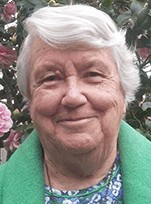
Mary McInerney has been an Australian RNDM for more than sixty years with experience of mission in education in Australia, member of General Council for twelve years and mission in Kenya. Now living in Melbourne, she is involved in archival work for the Province and has enjoyed opportunities to share her RNDM experience and knowledge of our Constitutions through various on-line programmes.