Pastoral ministry, whether lay or professional, can be discouraging. When I was teaching at a seminary, I told students for ministry,
“There will be times when you will be called to accompany people in pain. They will blame God. They will angrily question God, ‘Why did you do this to me? I’m a good person!’ And they will demand that you tell them what God was thinking, and why they should ever trust God again. You cannot simply dish out pat, simplistic answers to the mystery of suffering and fear. But you can walk with them in the darkness and pain, and help rally others in the faith community to do so.”
Sometimes students would shoot back with,
“But people expect us to have all the answers!”
The first generation of Christian believers floundered after Jesus was no longer among them on earth. They didn’t have all the answers either, and were often clueless as to the questions. In last week’s Gospel reading from Matthew, Jesus is seen to reassure his followers several times,
“Do not be afraid.”
This week, we get a better idea of what they were afraid of, and for which they had no answers.
Matthew was using the same source material as Luke, the so-called “Sayings Source,” but he adapted it to meet the needs of his own community in the late first century. In this week’s passage, Jesus’ words are almost unbearably harsh. It’s amazing they didn’t all turn tail and run.

The language smacks of extreme rhetoric. “Unworthy of me” signals extreme social shame. In that time and culture, families could split apart when one or several members accepted the new Christian faith. In a society based upon the patriarchal family and the entire system of duties and obligations it entailed, this meant that adhering to Christianity could shatter the basis of their social system.
“Whoever does not take up their cross” sounds like Jesus predicting his own death (but of course this was written three generations later.) To us, the counsel to “take up one’s cross” cuts too close to the patronizing and damaging advice commonly given to abuse survivors.
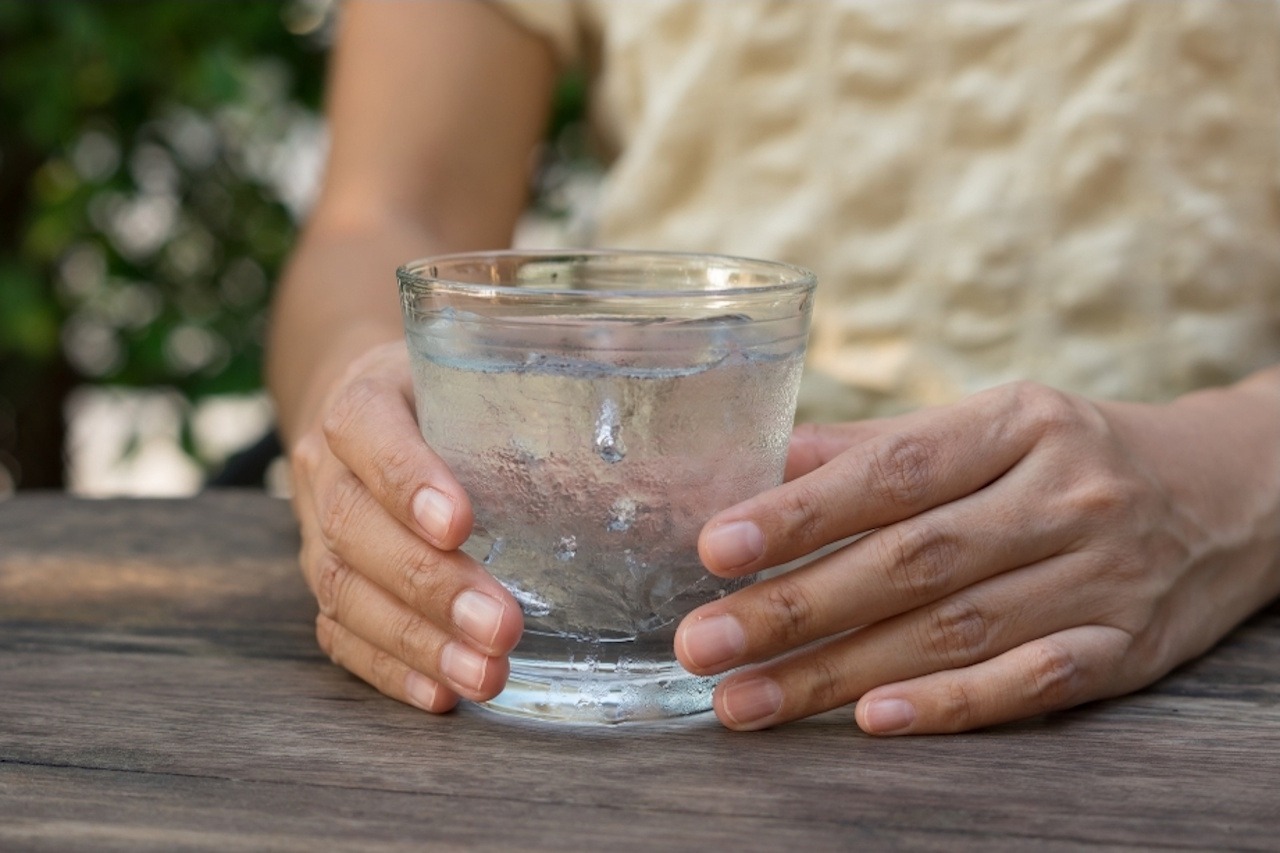
What colours this otherwise daunting reading with hope and light is its shift to the theme of hospitality. Offering a cup of cold water to a traveler in a hot, dehydrating climate was the absolute minimum form of hospitality that was customary in the ancient Middle East. A more demanding custom was that of offering food to hungry travelers who ask while they’re on the road. The host was expected to take responsibility for the traveler as their guest for three days – the length of time that the food was thought to remain in the body. That meant securing their safety and seeing to their needs from the host’s own resources.
That was the cultural background for the hospitality expected of a believer to other believers. The language used here implies a good deal more — the official reception of someone commissioned to act as an ambassador for a more highly-placed government official.
“Whoever receives you receives me, and whoever receives me, receives the One who sent me.”
These are profoundly affirmative words. A greater authority always underlies the representative’s presence and gives credibility to the person’s words. The one speaking and acting in the name of the Holy One never acts alone.

Nor do we. The “cup of water” offered to one of the least members of the body of Christ can be the cup of coffee offered to a recently widowed neighbour, or the spouse of a person on a long journey with cancer, or parents who have heard nothing from their troubled child.
Would our words and actions toward those who are in pain and searching for answers be different if we were conscious of being the living presence of the risen Christ to them? What if we saw every conversation as an opportunity to speak words of healing, reassurance, or simply unconditional love? And what if our churches did the same?
“A bird doesn’t sing because it has an answer, it sings because it has a song.” (Joan Walsh Anglund.)
© Susan K. Roll
Adapted from an earlier version of this Reflection in godswordmanyvoices.org, July 2, 2023
Susan Roll retired from the Faculty of Theology at Saint Paul University, Ottawa, in 2018, where she served as Director of the Sophia Research Centre. Her research and publications are centred in the fields of liturgy, sacraments, and feminist theology. She holds a Ph.D. from the Catholic University of Leuven (Louvain), Belgium, and has been involved with international academic societies in liturgy and theology, as well as university chaplaincy, Indigenous ministry and church reform projects.