There is more to the story of tomatoes than The Purple TomatoTM which I addressed in my last post.1 Following are some highlights of growing this favourite member of the Solanaceae or Nightshade Family, which also includes eggplants (Solanum melongena), peppers (Capsicum sp.) and potatoes (Solanum tuberosum).
To the same degree that garlic is like the undemanding friend who always comes through for us, the tomato is the entitled diva of the edible garden. If we give the tomato ongoing attention throughout the growing season AND Mother Nature provides weeks with warm — but not too hot — temperatures and sunshine, this plant will reward us with delicious fruits unparalleled in taste at any grocery store. However, fail to measure up in these caregiving tasks and we could be punished with a diseased or dying plant, blemished or cracked fruit or none at all.
So, what are some ways that we can keep our tomato plants satisfied and willing to yield beautiful, juicy, nutritious fruits as their part of the relationship?
Hardening off young plants: Whether grown from seed ourselves or purchased at a garden centre, young plants need to be introduced to the elements (sun, wind) over a period of 7-10 days before being planted outdoors. This allows them to build up an “armour” for protection from immediate burning and/or desiccation. Start with an hour in a shady spot outdoors and gradually increase the time and sun exposure over this period.
Nutrient-rich soil: Tomatoes share the title of “heavy feeder” with Brassicas and Cucurbits. Give them a good start with a generous amount of compost and add a slow-release organic fertilizer at planting time to feed the plants for the season.
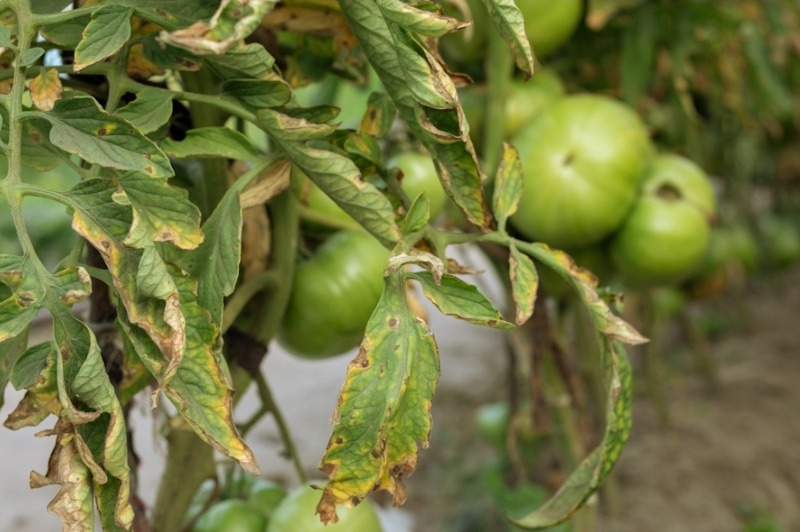
Provide proper spacing: Poor air circulation with high humidity around plants increases the risk of diseases such as fusarium and verticillium wilt. Mulching around plants so that they aren’t spattered with soil during heavy rain and supporting the plants on stakes also can help reduce risk of soilborne diseases.
Fusarium wilt on tomato plant leaves
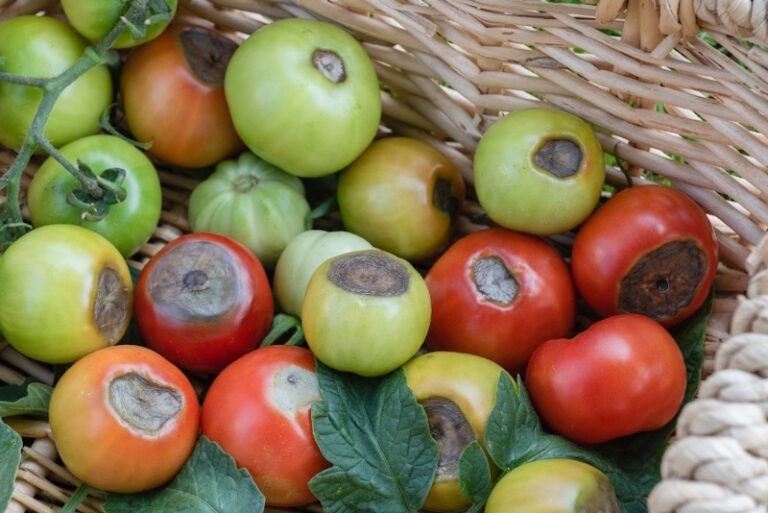
Consistent moisture: Often we are advised to add calcium to the soil when planting tomatoes to prevent “blossom end rot.” This may be good advice for some regions but Canadian Prairie soils usually have adequate levels of calcium already. Blossom end rot more likely results because the calcium that is in the soil cannot make it up through the plant because of inadequate or irregular watering. Letting the soil dry and then flooding the plants with water amplifies the problem.
Tomatoes with blossom end rot
Pruning: There is conflicting advice on whether to prune off suckers or not. Suckers are the stems that grow out of the joint between the main stem and a side branch. They most often are flowering stems and removing them can reduce the overall yield of the plant. However, letting all suckers grow into full stems can result in a very unwieldy plant yielding smaller fruits, and inadequate air circulation around the plant. I’ve learned that letting 3-4 suckers grow is a “happy medium.”2 Prune off any diseased leaves that appear on the plants as soon as possible.
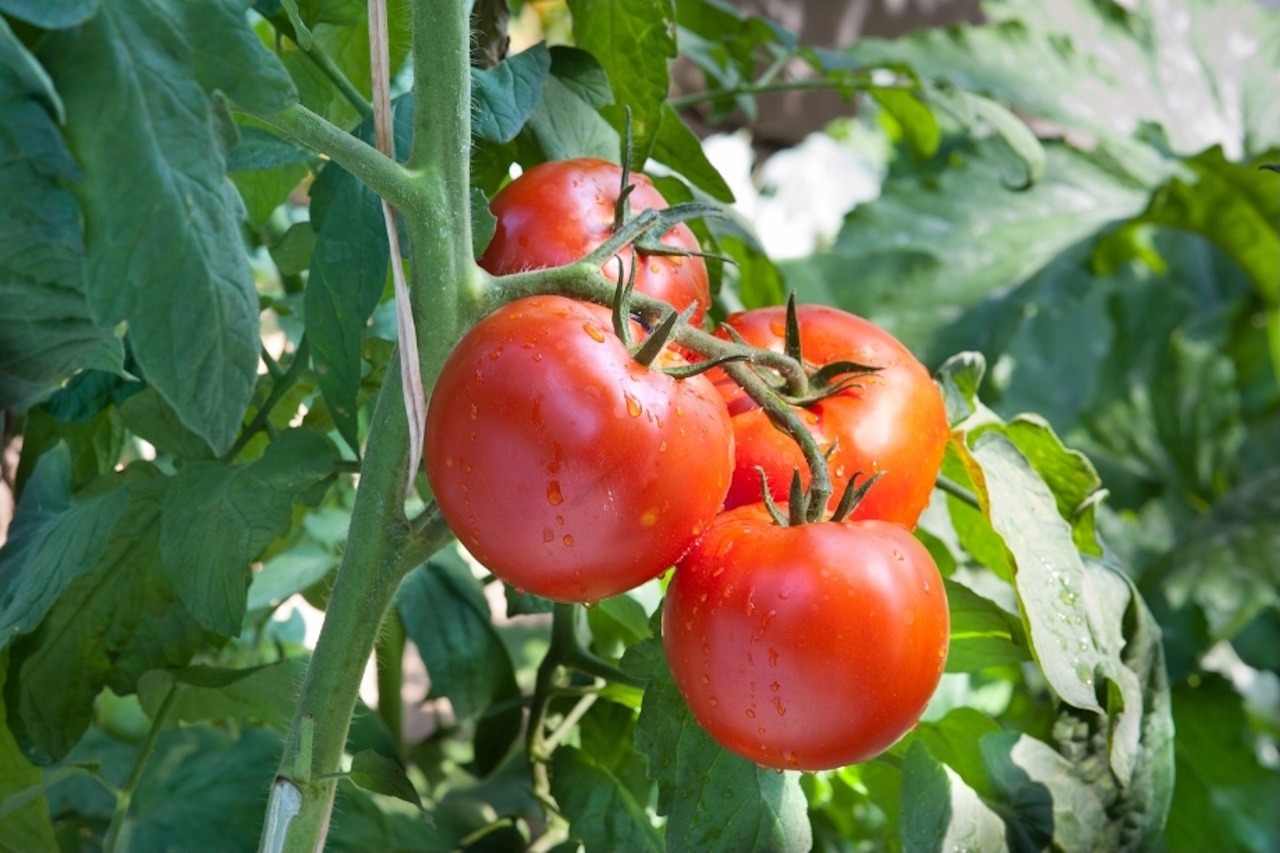
Tomato sandwich
Diligently doing our part will improve our chances of enjoying that large slice of a juicy red Beefsteak tomato in a sandwich when mid summer arrives. As for adequate sunshine and warmth, this is the ultimate reminder that we cannot control everything!
Wendy spent a good part of her adult life moving with her husband, never staying long enough to see an apple tree mature and bear fruit. When they retired, developing a food garden and planting hardy ornamentals became a passion. Weaving her previous studies in nutrition with her current interest in gardening has become a stimulating and life-giving activity.