One morning, a couple weeks ago, an Instagram post caught my eye:
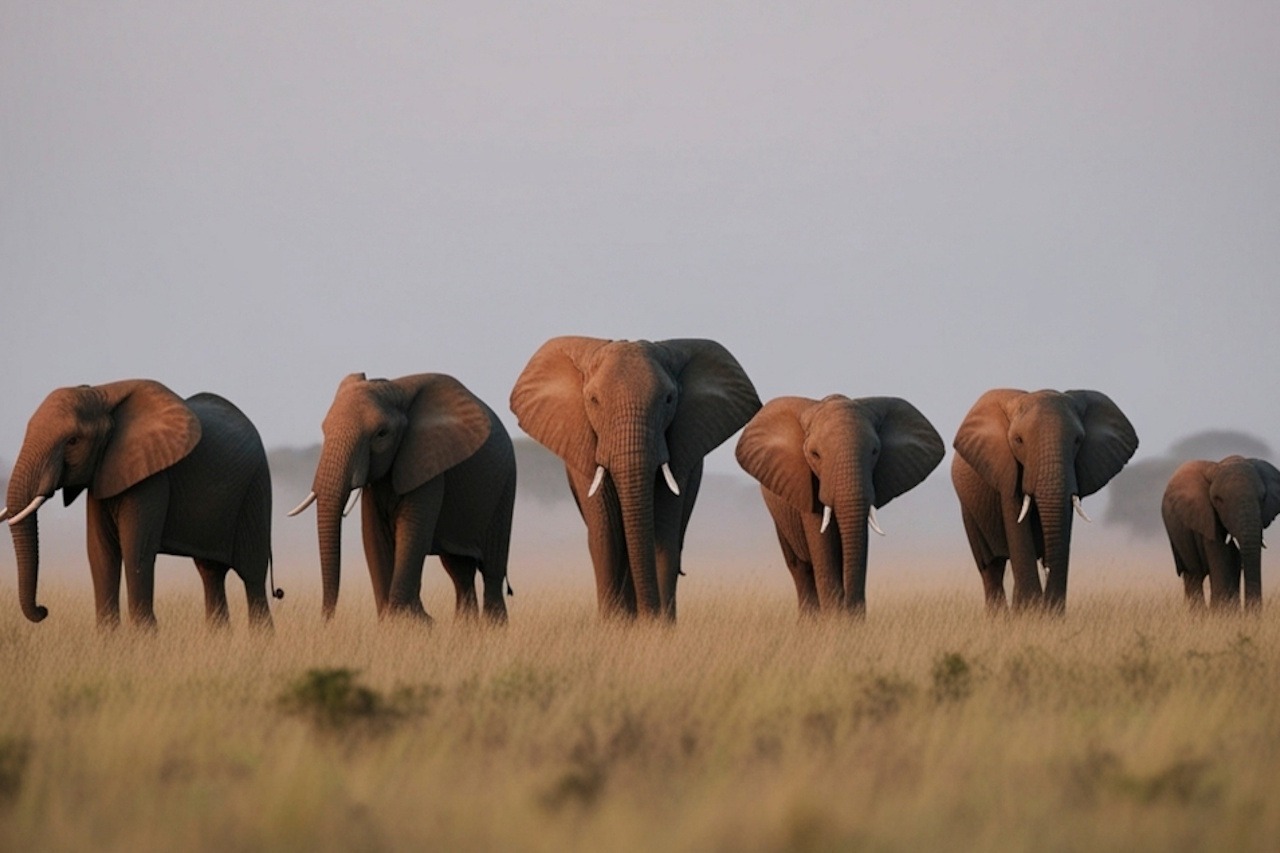
“After decades of decline, Africa’s elephant mega-herds are making a comeback across southern Africa.”1
Really?? I shook my head to make sure that I was fully awake. Reading further, and cross-checking other news feeds to confirm that I wasn’t being deluded by AI misinformation, I learned that, indeed, in countries like Botswana and Zimbabwe, gatherings of elephants numbering in the hundreds have been reappearing, a phenomenon not seen for decades. Their recovery is credited to the conservation efforts and anti-poaching measures, as well as the cross-border wildlife corridors that are allowing large groups of African elephants to move freely again.
I think my heart skipped a beat that morning – if it does such a thing – and I found myself taking a deep breath, my spirit expanding into a sense of wonder and calm.
Numerous accounts of the recovery and healing of our ecosystem are documented in Elin Kelsey’s book, Hope Matters: Why Changing the Way We Think Is Critical to Solving the Environmental Crisis. Published in 2021, I have had the book on my shelf for several years, and was ready to take a deep dive into it this past week.
A climate emotions and wildlife conservation scholar and practitioner, Kelsey holds a mirror to the way environmental news is most often reported – devastatingly focused on environmental problems and disasters that seek to shock people into action that brings about change. In effect, this doom and gloom reporting reproduces fear, anxiety and exhaustion, leaving people feeling powerless and unable to think into creative solutions.
Kelsey is adamant that an evidence-based hope approach is a far more effective motivator for individuals seeking to contribute their energy to a collective positive impact. In an online interview, Kelsey explains,
Hope enables us to honor our fears and grief and propel ourselves forward in creating more just and equitable relationships across all species. Emotions are contagious both face-to-face and online. Each time we respond to doomism with evidence of a trend that is having a positive result, we increase the likelihood that a much-needed solution will flourish.2
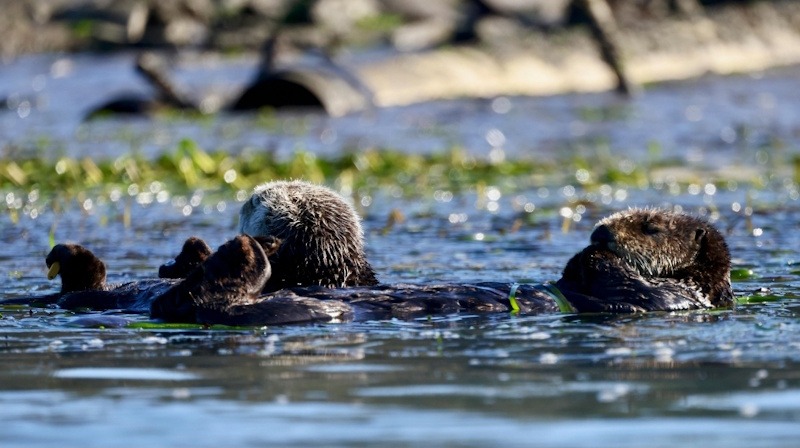
Her book enumerates the shifts that are going on across the world: giant pandas and bald eagles are no longer endangered; Monterey Bay, California, once labeled an “industrial hellhole,” is a world class center for ocean conservation and is healthier than it has been in the past two hundred years; and, yes, collaborative networks fighting against poaching in Africa and illegal trade chains have resulted in a dramatic drop in the poaching of elephants.3
Solutions journalism, in fact, is a growing field. Reporting the effectiveness and outcomes of the ways people are responding to crises, enables others to learn what they, too, can do and how those in power can be held accountable.

I love the way Kelsey concludes her work,
When we situate ourselves in well-informed networks and amplify what’s working, we overcome formidable odds. Hope exists within the agency of the countless other animals, plants, and other life-forms that populate this remarkable planet. It exists within our proven collective capacity to enact meaningful change. Hope is wild and contagious. My wish is that you will nurture the wild contagious hope that lives inside of you and actively spread it to everyone you know.4
Now isn’t that what Pentecost looks like?!
1 The Backpacker Exchange (@backpacking), “After decades of decline, Africa’s elephant mega-herds are making a comeback…” Instagram photo, May 5, 2026, Instagram.com.
2 Marc Kekoff, “Developing a Mindset of Hope to Dismantle Doom and Gloom,” Psychology Today, Oct 23, 2025, https://www.psychologytoday.com/us/blog/animal-emotions/202508/developing-a-mindset-of-hope-to-dismantle-doom-and-gloom.
Claudia Stecker is a Sister of Our Lady of the Missions (RNDM). She was missioned to the Philippines in 1997 and worked as an educator, first, in Cotabato, at Notre Dame University, and, later, in Manila, at Asian Social Institute. Her subject areas included pastoral sociology, leadership, music and education. Claudia was also employed by Kuya Center for Street Children where she took part in establishing a microfinance initiative among urban poor families. Over the years, Claudia served the congregation, too, in leadership, formation and finance management, returning to Canada in 2021. From 2023, she has been missioned to New York, USA, where she serves as a host community member in a LifeWay Network safehouse for women survivors of human trafficking.

This makes my heart sing too, Claudia! I did not know this good news, and indeed it makes me want to act and not simply run and hide. So encouraging…thanks so much.
Yes, Yes! Thank you for this Claudia. As a Nature buff in so many ways I am constantly feeling depressed by what I see happening in our world to our fellow creatures. I keep learning amazing things about those that live among us just as some scientist shatters my hopes with disastrous predictions. Give me positive stories please. It keeps me going. Hope is what I need.
I also thank you Claudia, for this informative and inspiring reflection. And every time I come to your article (yes, I have been re-reading it!) and see that solid line of elephants coming towards me, (thanks Rebecca for the photo), I feel encouraged all over again!!!