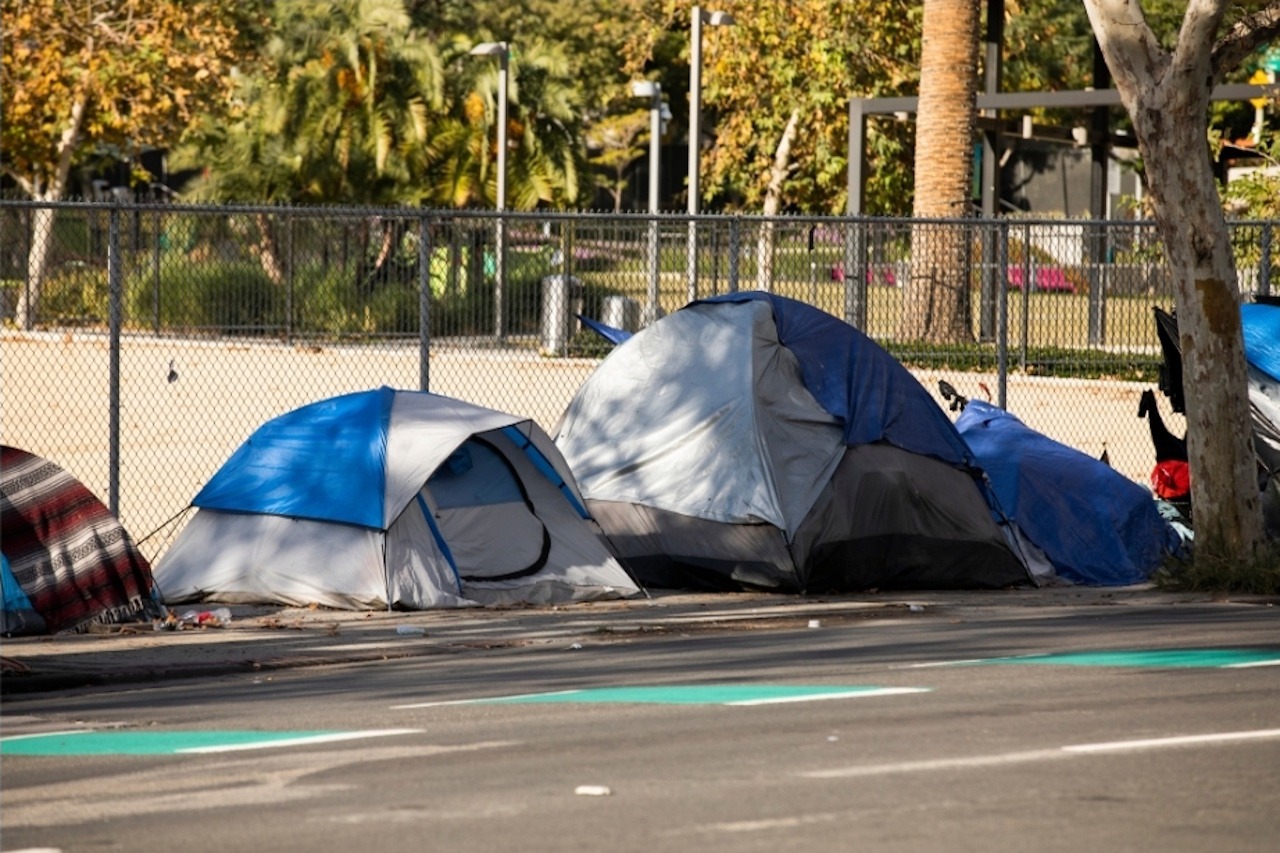
Despite tremendous work done by our various social services and the many voluntary charities, there still is a need to attend to the issues that cause so many of our young and not-so young people to sleep and live our streets.
On occasion, we give them money or buy them food, but still, do we really try to understand why they are there? Yes, we smile and acknowledge them, but today so many passers-by don’t carry cash, so they just feel that they need to avoid them or simply ‘walk on by’!
As a long-time member of Jesuit Refugee Services, I feel that I ought to stop and talk to the them. But after so many years working with refugees and asylum seekers, to see people sitting day after day on our pavements and in doorways, begging for money and food, I still feel helpless.
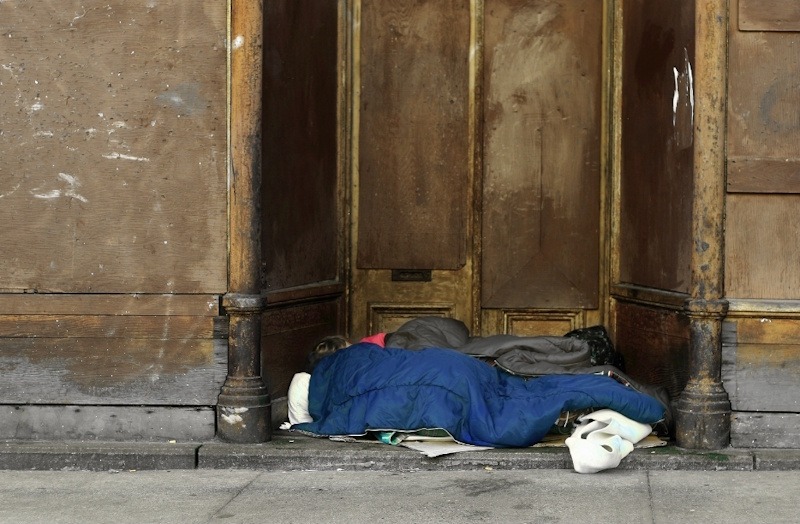
One day, I decided to stop to speak to a young woman, a teenager actually, to ask about her situation, as she had her belongings stuffed behind her. I had noticed her being in the same place each time I passed. Her reply was interesting: she was from Bosnia, and had been trafficked, thinking that she was coming to the UK to work as a model! Behind the dark ringed eyes and her face partially hidden with a hat pulled over her forehead, I could sense some kind of relief that she displayed by being free, even to sitting on the street.
For those who work with these homeless people, the information they share is guarded and we understand that we can only believe 50% of what is shared. Despite this, I was really moved by her protective sharing. Basically, the police allow people to walk the streets and they do watch them from a distance, especially in the city of London. Our homeless centres are not as safe as we would hope and many of our street people are safer on the streets at night. In this case, the local Korean food shop nearby allows this young girl to sleep in their doorway each night and allows her to use the facilities before it closes at midnight.
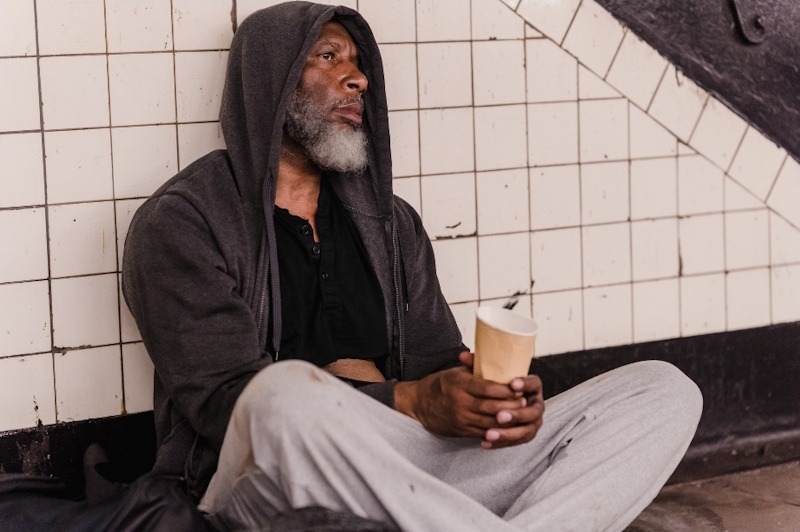
When we take the time to STOP and talk to these people, especially when we consider them to be vulnerable, we learn much. Even that 50% truth they share is enough for us to see this as a ministry. They see it too, that we see them as human beings caught in many situations that only the street and us passers-by can offer shelter and compassion. In many cases, we can’t offer accommodation, but we can offer some recognition that they are still part of the community and deserve respect.
Our new Prime Minister has made a promise to get all rough sleepers off the streets by Christmas. We can only live in hope for this but, in the meantime, it IS a ministry to stop and talk.

Thank you for this moving reflection on the plight of our houseless neighbours, Rose Mary. I, too, volunteer with a group that advocates ending poverty, as well as a group that provides lunches for the food insecure, which of course includes those on the street. While heartbreaking work, I have had some amazing encounters with some of the people I meet doing this work, and it is the people who keep me engaged. As you say, “In many cases, we can’t offer accommodation, but we can offer some recognition that they are still part of the community and deserve respect.” These folks are fellow human beings, children of God, and my relatives. How can I ignore them??