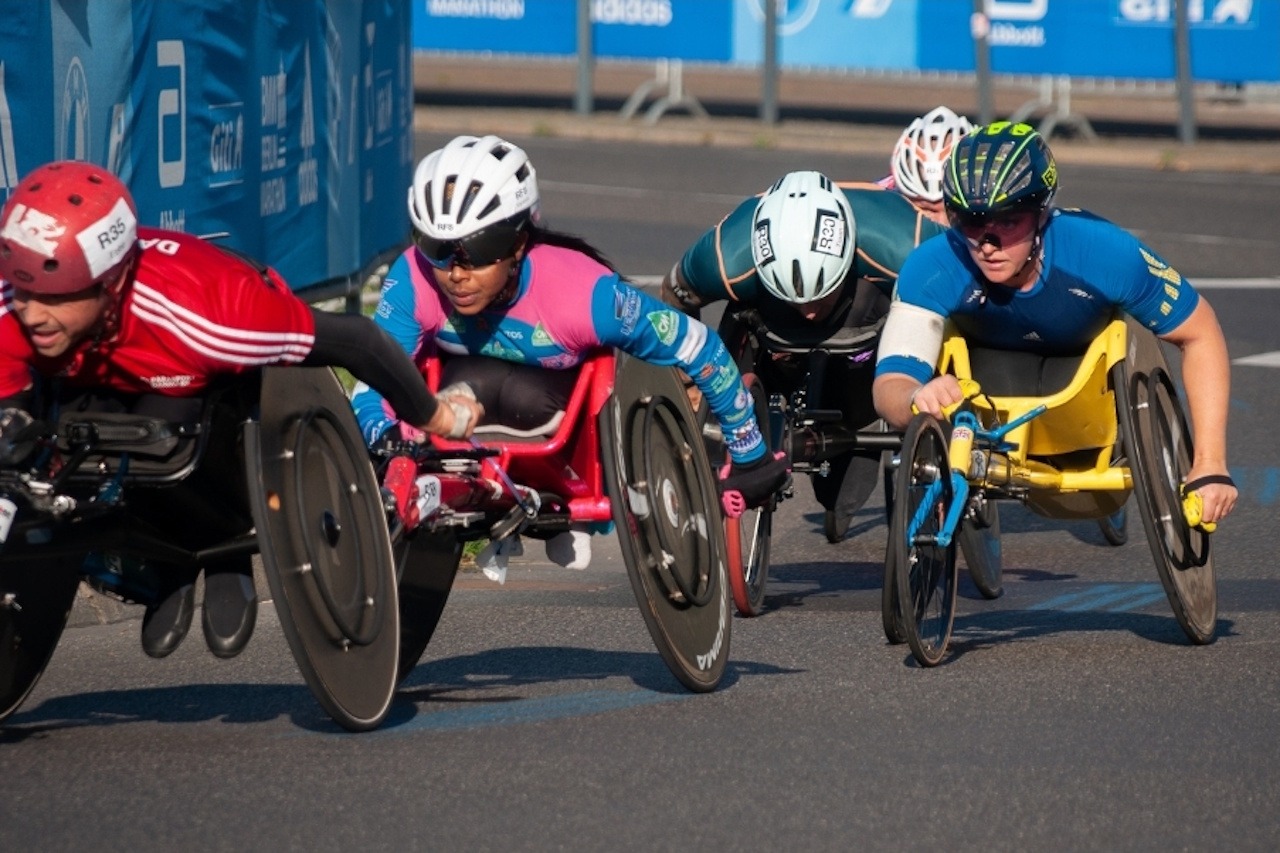
From 6th to 15th March, our screens bring us once more the Paralympic Games. As I watch these games I am reminded of this phrase so often spoken when I was involved with the Tei Wa Ngai Programme in Kenya seeking to open pathways for children with physical and mental challenges. Glimpses of the achievements of Paralympians are certainly an experience of the potential of the human spirit to overcome adversity and of the capabilities of the human body. It also opens reflection on the huge discrepancies across the world in accepting the reality of physical and intellectual challenges and in the making available resources to enable individuals to live with dignity and develop their potential.
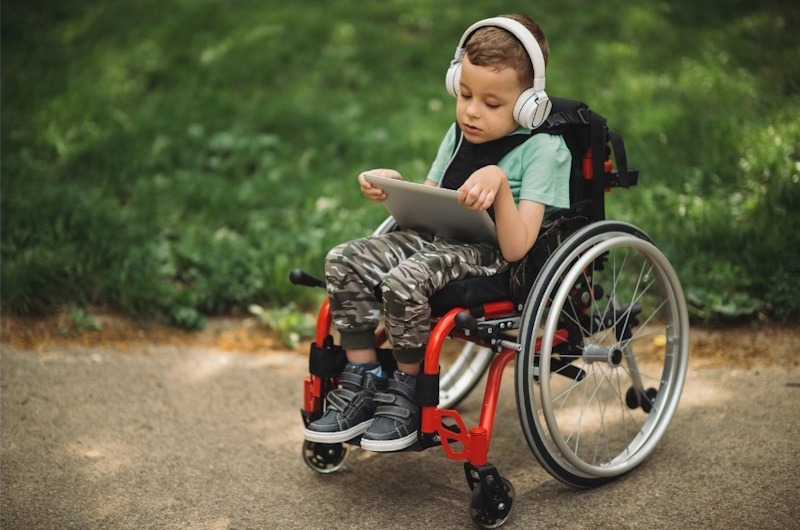
The Paralympian World focuses on a select few who have been promoted by national sporting bodies and in some way supported by government and philanthropic funding. In some ways they become a means of saying to the world that governments are concerned and provide opportunities for individuals who are challenged. There is a huge disproportion when one considers the equipment and the hours of specialized training that are behind these achievements and the difficulties many parents face to access basic medical care and suitable education opportunities for their children.
Here in Australia as we look with a sense of pride and achievement at the success of our Paralympians we are in the midst of Government implementing new legislation in relation the National Disability Insurance Scheme, an Australian government initiative providing funding and support to people with permanent and significant disabilities. Stories emerge which highlight the discrepancies which still occur in the process of gaining access to these funds and unfortunately cases which sometimes occur through malpractice or overcharging for support services.
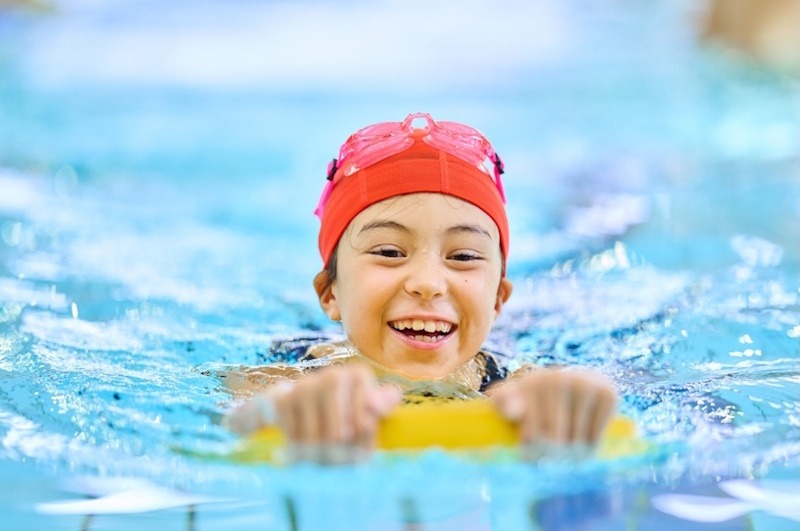
Within the limitations and the ongoing debate about inclusion or separation in special schools, children with disability in Australia have access to education. Our hospitals have outstanding programmes for the diagnosis and continued care of children with disability.
My mind returns to the children in the Tei Wa Ngai Programme. Rather than focus on the problems faced by the parents I pause to think how often that small statement ‘Disability is not inability’ has been proven – not in gaining a gold medal in a high powered competition but by:
- gaining mobility through the access of a wheelchair,
- being admitted to a technical school and enabled to set up an electronics repair shop,
- learning braille and becoming a teacher,
- communicating with sign language
and so many others.
As we marvel at the achievements of the Paralympians let us also continue the advocacy of the many groups who are calling upon governments and the philanthropic work of funding agencies and individuals who are coming together to make this small statement “Disability is not inability” true for all children with disability and enable then to achieve their full potential.
Mary McInerney has been an Australian RNDM for more than sixty years with experience of mission in education in Australia, member of General Council for twelve years and mission in Kenya. Now living in Melbourne, she is involved in archival work for the Province and has enjoyed opportunities to share her RNDM experience and knowledge of our Constitutions through various on-line programmes.