This article is written in honor of International Day of the World’s Indigenous Peoples (August 9).
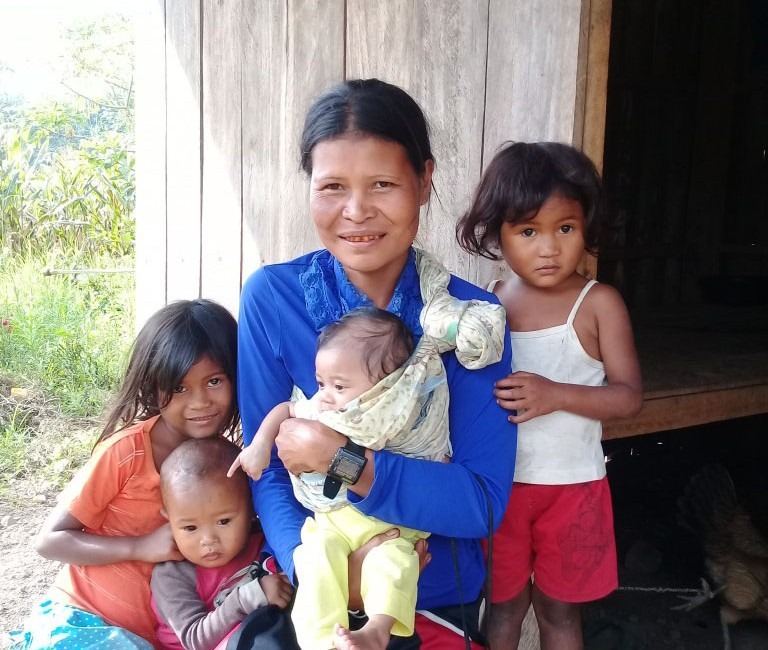
In 2027, we will celebrate 40 years of being with the Menubu Dulangan people in Kulaman, Sultan Kudarat. Forty years is a long time. It is a time to celebrate and give thanks, but also a good time to stop and ask: What has our presence meant for the people? What has been good? And where might we have caused harm, even when we meant well?
The truth is that Indigenous Peoples have often become the objects of missionary efforts in evangelization and social development. Sometimes, there has even been a kind of aggression in the way we accomplish our tasks. In our desire to preach the Gospel, we may have unintentionally erased cultures or tried to make people more like us. This can happen when we carry a sense that our culture, our way of thinking, or our understanding of Christianity is somehow better than theirs.
I remember occasions in Kulaman when “Indigenous” was confused with “Indigent.” We had to correct this more than once. But the confusion also made me think. Do we sometimes see Indigenous Peoples mainly in terms of what they lack—poverty, education, resources—rather than seeing the richness of their culture, spirituality, wisdom, and way of life?
I am grateful to the RNDM Canadian Province for giving me the opportunity to study and reflect more deeply on mission and Indigenous Peoples. I pursued a Doctor of Ministry at the Toronto School of Theology because I wanted to commit myself more deeply to ministry with Indigenous Peoples. But I also wanted to be changed in the process. I do not want to become a missionary who causes harm while believing that I am doing good.
This makes me ask: How do we preach the Gospel while recognizing that God is already present and active among the people? How do we create spaces where we can listen and where theology and spirituality can emerge from within their own culture? How can mission become an encounter where both sides are changed?
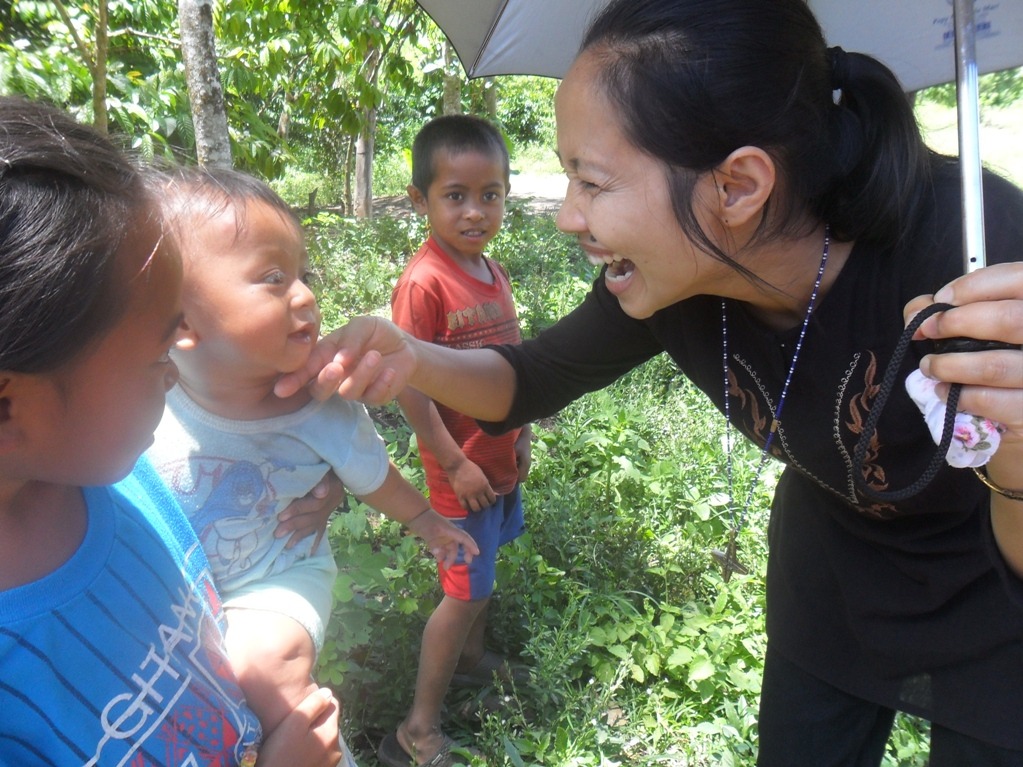
We have spoken a lot about inculturation. But sometimes inculturation becomes simply adapting or translating Christianity into another culture. Perhaps we need to go further and allow the culture itself to speak, to teach us, and even to challenge our understanding of God.
Richard Rohr once used the phrase, “God is a verb and not a noun.” I find this helpful. Perhaps our task is not always to name or define God, but to notice where God is moving—where there is love, peace, joy, hope, life, balance, and well-being.
We preach a God who is already present and actively loving. If this is true, then we need some internal housekeeping, both personally and institutionally. We need to open ourselves to transformation and learn to listen to the Spirit speaking through the cultures and peoples among whom we are sent.
After 40 years, perhaps the question is not only,
“What have we done for the Menubu Dulangan people?”
It is also,
“What have they taught us about God, life, community, and mission? And have we allowed ourselves to be changed?”
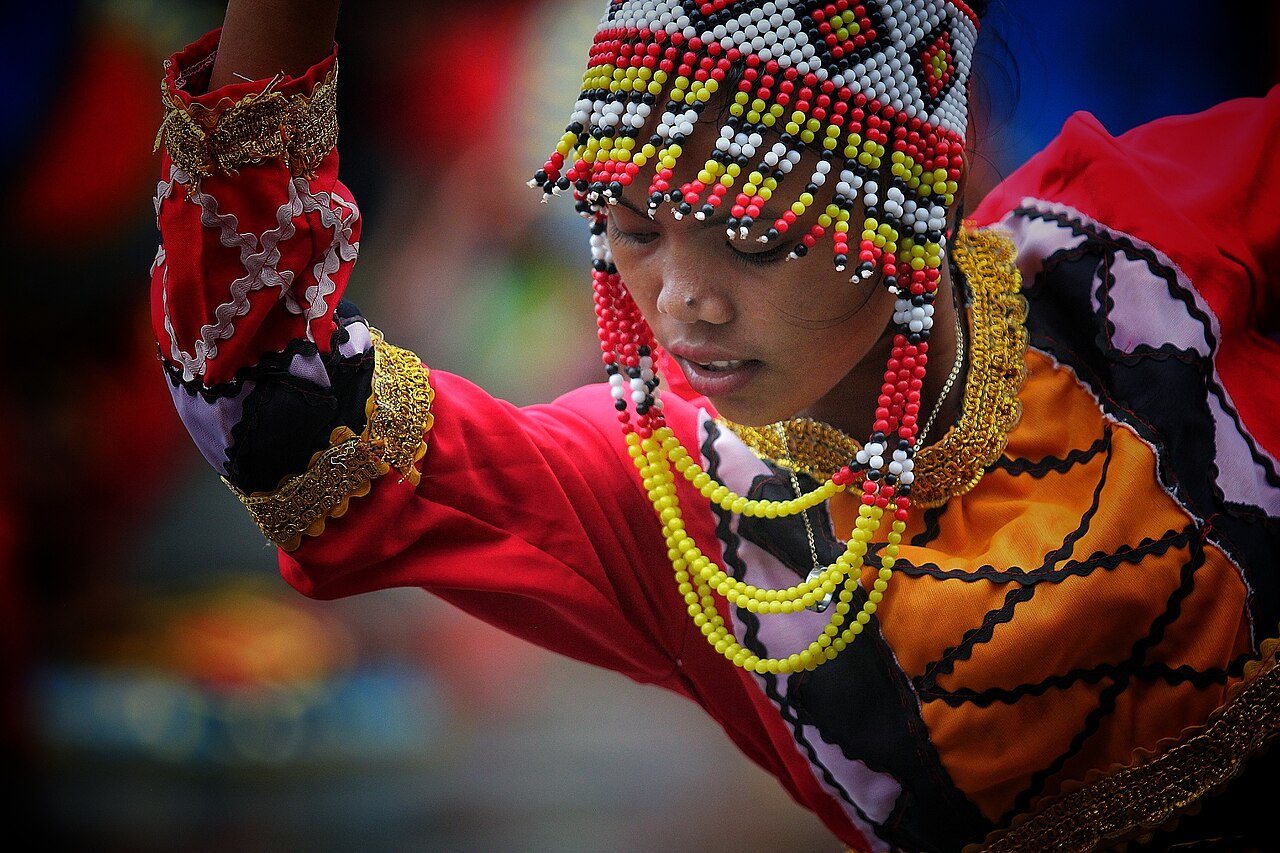
Title Photo credit: “Manobo Girl” by Herbertkikoy, Wikimedia Commons.
License: https://creativecommons.org/licenses/by-sa/4.0/
Sr. Patricia Lourdes “Petite” Lao, RNDM, is a religious missionary of the Congregation of Our Lady of the Missions. She earned her Doctor of Ministry degree from Regis College, Toronto School of Theology. Her doctoral thesis, titled “An Action Research Towards Developing Educational Strategies for Filipino Catholics in Response to Call to Action 59,” focused on educational and pastoral responses to reconciliation initiatives.
After completing her studies, she returned to the Philippines in 2023. She currently serves as Dean of the Institute of Formation and Religious Studies in Quezon City, Philippines.